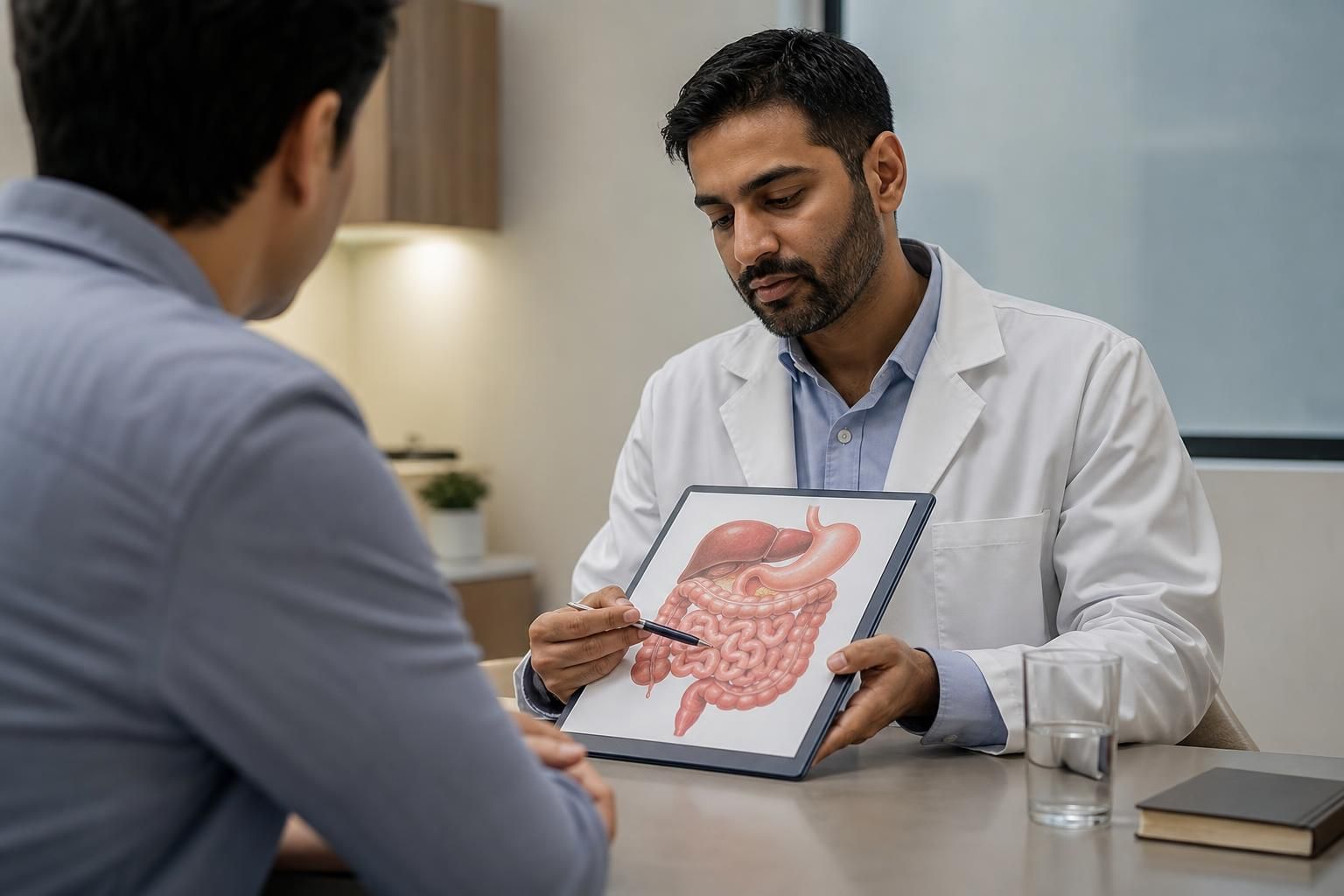
Private Colonoscopy in Essex: Self-Pay Bowel Investigation
Quick Answer
Private colonoscopy is a fast, self-pay bowel investigation that lets a specialist examine the large bowel, take biopsies if needed, and remove polyps during the same visit. It is often chosen for quicker access, clear symptom assessment, and private bowel cancer screening pathways.
If you are worried about bowel symptoms, need faster answers, or want a private pathway for screening, a private colonoscopy can help. At The Chartwell Private Hospital, this investigation is used to look inside the large bowel and check for causes of bleeding, pain, altered bowel habits, polyps, and other changes. It is also an important part of private colonoscopy pathways for people who want prompt access to assessment without waiting for a routine hospital slot. Many patients choose a private colonoscopy because they want clarity, convenience, and a specialist-led service that moves quickly from consultation to procedure. If you are exploring related digestive care, you can also view our Private Gastroenterologist service or our private endoscopy services page for the wider diagnostic pathway.
What is a private colonoscopy?
A private colonoscopy is a specialist examination of the large bowel using a flexible camera. It helps a doctor inspect the colon lining, identify inflammation, polyps, diverticular disease, bleeding sources, and signs of bowel cancer.
This procedure is usually done as an outpatient test. In many cases, the doctor can also take biopsies or remove small polyps during the same appointment. That makes a private colonoscopy both diagnostic and, in some cases, therapeutic.
People often choose a private colonoscopy when they want quicker access and a more direct route to answers. It can also sit within a broader digestive assessment. For example, some patients need support with ongoing symptoms and later move on to a private colonoscopy after consultation with a specialist from our Digestive System Specialist team.
For a wider overview of how endoscopic investigations are organised, the PHIN guide to About private colonoscopies explains the basics clearly. A colonoscopy is often compared with other bowel tests, but it remains one of the most direct ways to examine the large bowel in real time.
In practice, a private colonoscopy is often recommended when symptoms need explanation, when screening results need follow-up, or when a clinician wants to assess the colon in detail rather than rely on indirect imaging alone.
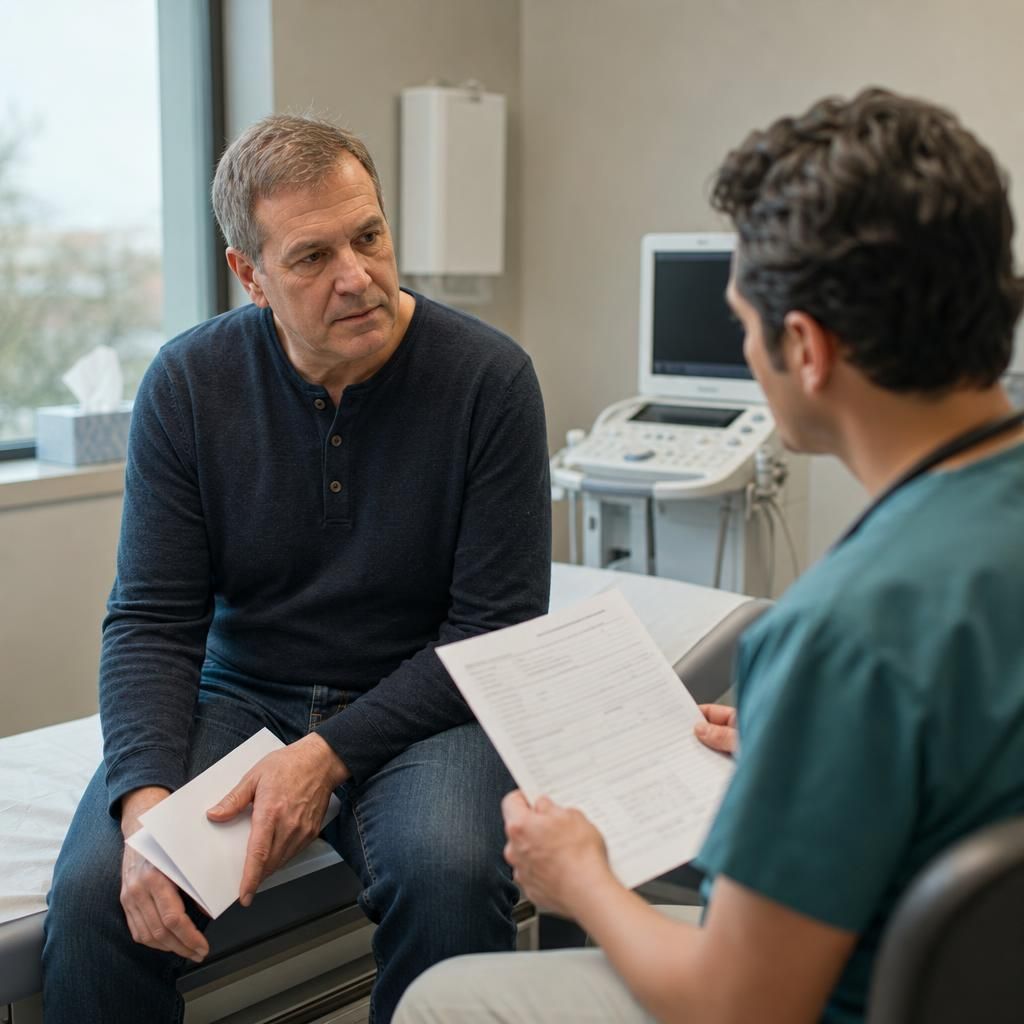
How does private colonoscopy work?
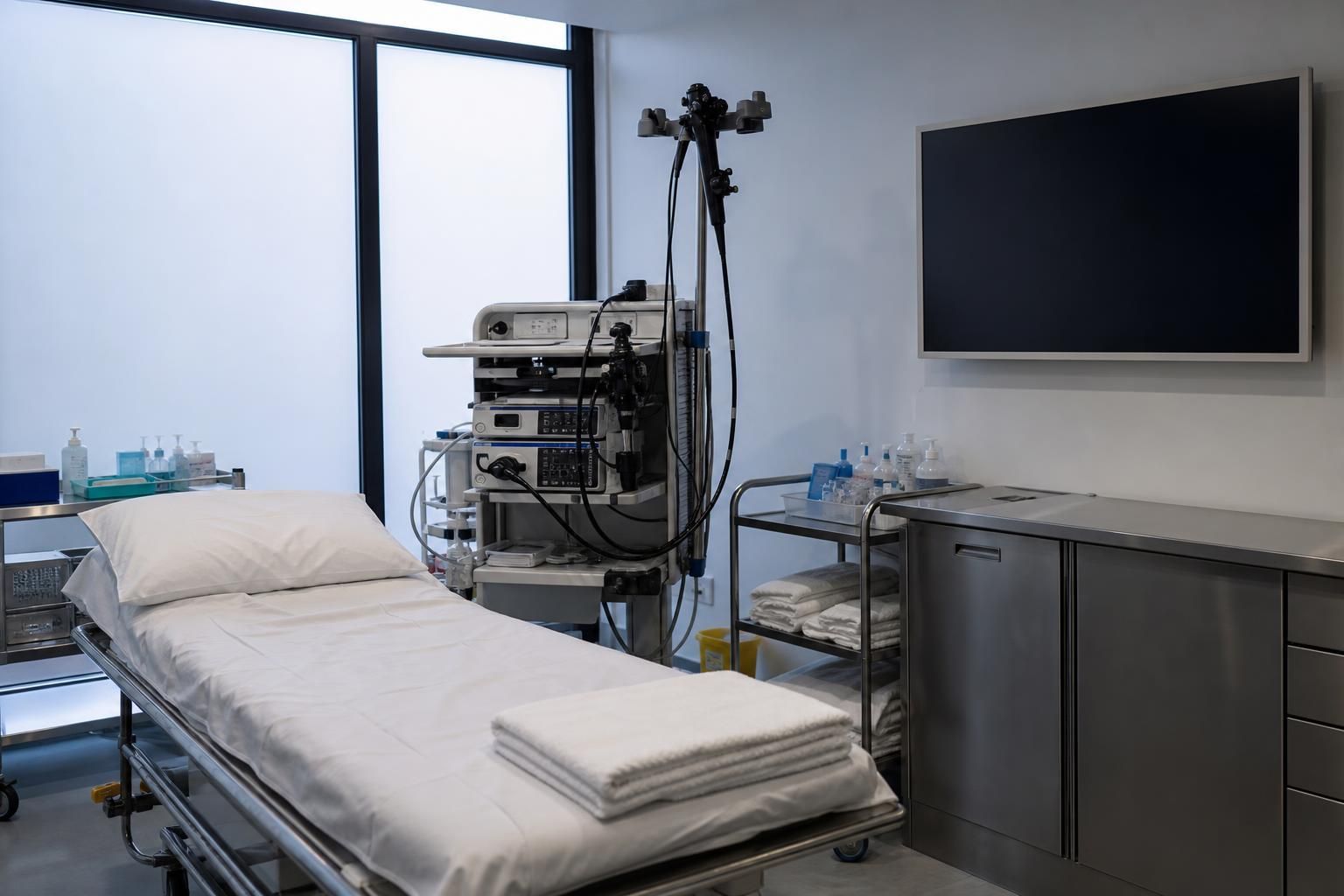
A doctor passes the colonoscope gently through the rectum and along the colon. The camera sends live images to a monitor, so the clinician can inspect the bowel wall carefully.
If needed, the doctor may take small tissue samples. This is common when inflammation, bleeding, or abnormal areas are seen. The process is usually managed by an experienced endoscopy team, which helps keep the private colonoscopy efficient and clinically focused.
Who may need a private colonoscopy?
A private colonoscopy is often recommended for people with bowel symptoms that need a proper investigation. It is also useful when a specialist wants to rule out serious conditions or confirm a suspected diagnosis.
Typical reasons include rectal bleeding, persistent abdominal pain, unexplained iron deficiency, a change in bowel habits, or ongoing diarrhoea. It can also help when constipation is severe or long-standing, especially if other assessments have not explained the cause. If constipation is a major issue, our Chronic constipation pathway may be relevant before or alongside a private colonoscopy.
A private colonoscopy may also be part of work-up for symptoms that overlap with other digestive conditions. In some patients, a gastroenterologist may first consider coeliac testing, IBS assessment, or inflammatory bowel disease testing. That broader approach helps match the test to the symptom pattern instead of using a one-size-fits-all route.
The advantage of a private colonoscopy is speed and coordination. You can often move from consultation to investigation without long delays. The Private Colonoscopy | Northern Ireland information page gives a useful patient-facing example of how providers explain the procedure, preparation, and recovery in plain language.
If your symptoms are persistent, new, or worrying, a private colonoscopy can be a sensible next step because it gives direct visual answers.
Symptoms investigated by private colonoscopy
A private colonoscopy can help investigate symptoms that point to the lower digestive tract. It is especially useful when the cause is not clear from history, examination, or basic blood tests.
Common symptoms include:
- Blood in the stool or on the toilet paper
- Ongoing lower abdominal pain
- A persistent change in bowel habit
- Unexplained diarrhoea
- Constipation that does not settle
- Mucus in the stool
- Unexplained anaemia or fatigue linked to possible blood loss
Because bowel symptoms can overlap, a clinician may also consider other tests first or alongside the procedure. For example, some patients need a self-pay gastroscopy if upper digestive symptoms are present too. Our Self Pay Gastroscopy page explains that pathway in more detail.
A private colonoscopy is not just for cancer concern. It is also valuable when symptoms affect daily life and need a clear diagnosis. That is why many adults seek a specialist review before deciding on the next investigation.
If you are unsure whether symptoms warrant a colonoscopy, a private gastroenterology consultation can help determine the most appropriate test. That step can prevent unnecessary procedures while still moving quickly when colon assessment is the right choice.
Private colonoscopy for bowel cancer screening
A private colonoscopy can play an important role in bowel cancer screening and follow-up testing. It is one of the most direct ways to inspect the colon for polyps or suspicious changes.
This matters because screening is about early detection, not just symptom investigation. If you have a family history, previous polyps, or a clinician has recommended further assessment, a private colonoscopy may be the most appropriate confirmatory test.
Chartwell also offers a dedicated Colon Cancer Screening and Testing pathway for patients who want a structured approach to bowel health. For broader cancer prevention needs, some patients also explore Private Cancer Screening for a more complete self-pay review.
For educational context, Bupa’s Cancer screening: Colon Health Check page shows how bowel health checks are commonly framed for patients who want proactive screening. The main point is simple: a private colonoscopy provides direct visual assessment, which makes it especially useful when bowel cancer needs to be ruled out clearly.
If your GP or specialist has raised concern, do not delay. A private colonoscopy can shorten the time between suspicion and diagnosis, which is often what patients value most.
Can a private colonoscopy replace screening tests?
Sometimes it can, but not always. The right test depends on your symptoms, risk factors, and previous results.
A private colonoscopy is more detailed than many non-invasive screening tests. However, your clinician will decide whether you need direct colon inspection, stool testing, imaging, or a combination.
How should I prepare for a private colonoscopy?
Preparation is one of the most important parts of a private colonoscopy. A clean bowel lets the doctor see the lining clearly, which improves the quality of the examination.
You will usually be given diet and bowel-preparation instructions before the procedure. These typically include temporary changes to what you eat and a prescribed laxative solution. The exact plan depends on your appointment time and clinical history.
Good preparation matters because a poorly prepared bowel can make a private colonoscopy harder to interpret. In some cases, the procedure may need to be repeated if the view is not good enough.
Before your appointment, you should tell the team about:
- Regular medicines, especially blood thinners
- Allergies
- Previous reactions to sedation
- Diabetes or other conditions that affect fasting or medication timing
- Pregnancy or the possibility of pregnancy
For patients wanting the wider private booking pathway, our guide to Can You Pay Private for an Endoscopy? Self-Pay Booking Guide explains how self-pay appointments are arranged.
If you are organised and follow the preparation instructions carefully, your private colonoscopy is more likely to be efficient, comfortable, and diagnostically useful.
Sedation, comfort and safety in private colonoscopy
A private colonoscopy is usually performed with comfort in mind. Sedation may be offered, and some patients also receive pain relief or a local anaesthetic gel as part of the procedure.
Many people want to know if they will be asleep. The answer depends on the service plan and your clinical needs. Some patients are drowsy but awake, while others prefer deeper sedation. If you want a simple explainer on this point, the short Medical Secrets video titled Are you asleep for colonoscopy? is useful context before your consultation.
Safety is central to the process. A trained team monitors you throughout, and your clinician will check whether sedation is suitable for you. This is especially important if you have breathing problems, heart conditions, or take medicines that affect alertness.
Comfort also depends on technique. Gentle scope handling, clear communication, and a calm environment all help. That is one reason many patients choose a private colonoscopy rather than waiting for a less personal pathway.
In short, sedation is available, but it is tailored rather than automatic. Your doctor should explain the options before you book so you can choose the right balance of awareness and comfort.
What happens during biopsies and polyp removal?
A private colonoscopy can include biopsies or polyp removal during the same visit. This is one of its main advantages because it can both diagnose and treat at once.
If the doctor sees an unusual area, they may take a biopsy. The sample goes to the laboratory for analysis, which helps confirm inflammation, microscopic colitis, infection, or other changes.
If small polyps are found, they are often removed during the same procedure. This matters because polyps can be important in bowel cancer prevention. Removing them early can reduce future risk, depending on the type and size of the polyp.
Not every finding needs intervention. Sometimes the colon looks normal, which can still be helpful because it rules out many serious causes and guides the next step in care. That result is often reassuring for patients with ongoing symptoms.
After the procedure, your doctor should explain what was done, what was seen, and whether follow-up is needed. A private colonoscopy should never feel like an isolated test. It should lead to a clear plan.
Results, recovery and what to expect after a private colonoscopy
Recovery after a private colonoscopy is usually straightforward, although it depends on whether you had sedation or any treatment during the procedure.
If you were sedated, you will need someone to take you home and stay with you for the rest of the day. You should not drive, work, sign important documents, or drink alcohol until the sedation has fully worn off. Mild bloating or cramping can happen, but it usually settles quickly.
Some results are available immediately, especially if the bowel looked normal or if the doctor removed a small polyp and explained the findings on the day. Biopsy results usually take longer because they require laboratory analysis.
A good private colonoscopy service should also give you clear written aftercare advice. That should include who to contact if you develop worsening pain, heavy bleeding, fever, or persistent vomiting.
If you want to compare endoscopy services and what a modern private clinic may offer, the overview on Private Endoscopy Cost in the UK: What Affects the Price and What Is Included can help you understand the service model as well as the procedure itself.
How much does a private colonoscopy cost and is it worth it?
The cost of a private colonoscopy depends on what is included. A self-pay quote may differ if it covers consultation, sedation, biopsies, histology, or follow-up.
So, how much does it cost for a private colonoscopy? The best answer is that you should ask for a written, itemised quote before booking. That way, you can see whether the price includes the procedure itself, any tissue analysis, and aftercare. If you also want to compare payment pathways, our guide to Private Endoscopy Costs with Bupa and Self-Pay Options in the UK explains the main cost factors in a simple way.
Is it worth going private for a colonoscopy? For many patients, yes. The main benefits are speed, convenience, specialist oversight, and clearer control over your appointment timeline.
How much is a colonoscopy if I go private? That varies by provider and clinical complexity, so a direct quote is more useful than a generic estimate. Ask what happens if polyps are found, because that can change the final bill.
A private colonoscopy is often worth considering if delay is making symptoms stressful or if your doctor wants faster exclusion of serious bowel disease. It is also a practical option if you want a more flexible, self-pay route with direct access to a specialist team.
Can I book a private colonoscopy without a referral?
Yes, in many cases you can book a private colonoscopy without a referral. However, some providers still recommend a consultation first so the team can confirm that colonoscopy is the right test.
A referral can also help if you have complex symptoms, medication issues, or previous bowel investigations. At Chartwell, the fastest route is usually to speak with a specialist team first so your private colonoscopy is matched to your symptoms.
Book a consultation or private colonoscopy in Essex
If you want fast access to bowel investigation, a private colonoscopy at The Chartwell Private Hospital can provide a clear next step. The service is designed for adults in Leigh-on-Sea, Essex, London, and nearby areas who want prompt self-pay diagnostics with specialist support.
Start with a consultation if you are unsure which test you need. That is often the best way to confirm whether colonoscopy, another endoscopy, or a broader digestive assessment is most appropriate. You can also explore our main The Chartwell Private Hospital site for related services and booking routes.
If your concern is bowel symptoms, screening, or a faster diagnostic plan, a private colonoscopy can give you answers without unnecessary delay. And if the wider goal is prevention, reassurance, or follow-up after a test result, the pathway can be tailored accordingly.
For patients who also want to look at broader service options, our Private Endoscopy Near Me in Essex page explains how local access works, while the Colon Cancer Screening and Testing page is useful if your priority is screening rather than symptoms alone.
Key Takeaways
- A private colonoscopy is a direct way to examine the large bowel, take biopsies, and remove some polyps in the same visit.
- It is commonly used for bowel symptoms, cancer screening follow-up, and faster specialist-led diagnosis.
- Preparation matters because a clean bowel improves the quality of the examination and the reliability of results.
- Sedation is available and tailored to the patient, with comfort and safety monitored throughout the procedure.
- Private colonoscopy costs vary by what is included, so an itemised self-pay quote is the best way to compare options.
Frequently Asked Questions
How much does it cost for a private colonoscopy?
The cost depends on what is included in the package. A private colonoscopy quote should clearly state whether it covers consultation, sedation, biopsies, histology, and follow-up, because those extras can affect the final price.
Is it worth going private for a colonoscopy?
For many people, yes. A private colonoscopy is often worth it if you want faster access, specialist review, and a more controlled appointment timeline, especially when symptoms are worrying or you need prompt screening follow-up.
How much is a colonoscopy if I go private?
There is no single fixed price, because providers structure packages differently. The safest approach is to ask for an itemised self-pay quote so you know exactly what the private colonoscopy includes before booking.
Can I book a private colonoscopy without a referral?
Yes, often you can. Some patients book directly, although a consultation may still be recommended first so the clinician can confirm that a private colonoscopy is the right investigation for your symptoms.