How to Get an Endoscopy Appointment Privately or Through Your GP
Quick Answer
If you want to know how to get endoscopy appointment, start with your GP if you need an NHS referral, or contact a private gastroenterology provider directly if you want faster access. You will usually need symptom details, medical history, and any test results so the right procedure can be arranged quickly.
If you are searching for how to get endoscopy appointment, the best route depends on your symptoms, urgency, and whether you want NHS or private care. An endoscopy is a specialist test that lets doctors look inside the digestive tract and investigate problems such as reflux, abdominal pain, swallowing difficulty, bowel changes, bleeding, or unexplained weight loss. In many cases, your GP can refer you into the NHS pathway. However, if you want faster access or a more direct booking process, a private provider may be the better option. At The Chartwell Private Hospital, patients often choose private assessment when symptoms are persistent or worrying, or when they want a quicker answer from a gastroenterology specialist. If you are also exploring broader digestive care, you can learn more about our private gastroenterologist service and our private endoscopy services. This guide explains both routes clearly, so you can decide how to get endoscopy appointment in a way that feels practical and well-informed.
When an endoscopy may be recommended
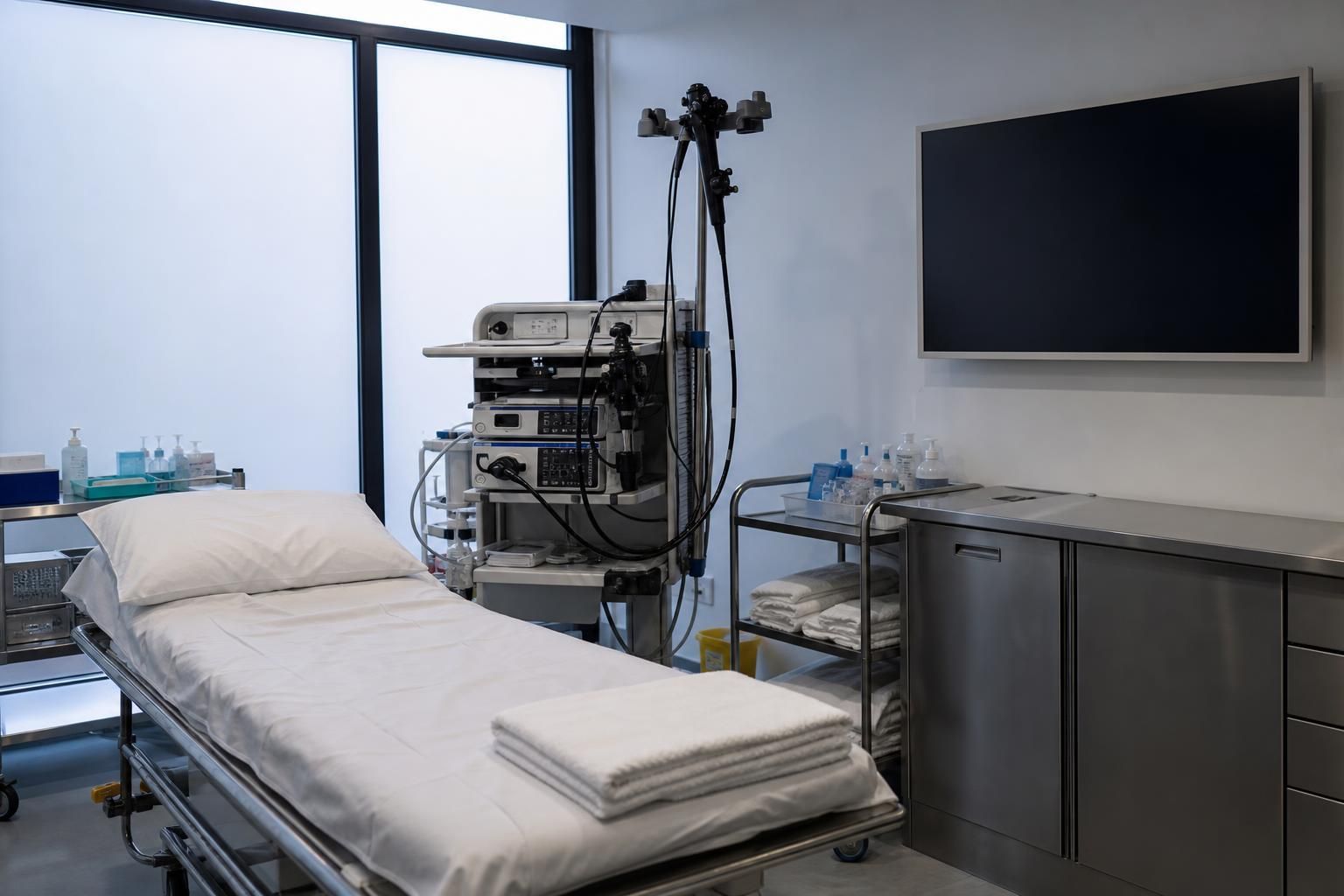
An endoscopy is recommended when a clinician needs a closer look at the lining of the upper or lower digestive tract. It is commonly used to investigate symptoms rather than to treat them on the spot. If you are asking how to get endoscopy appointment, the first step is usually understanding whether your symptoms fit the clinical picture.
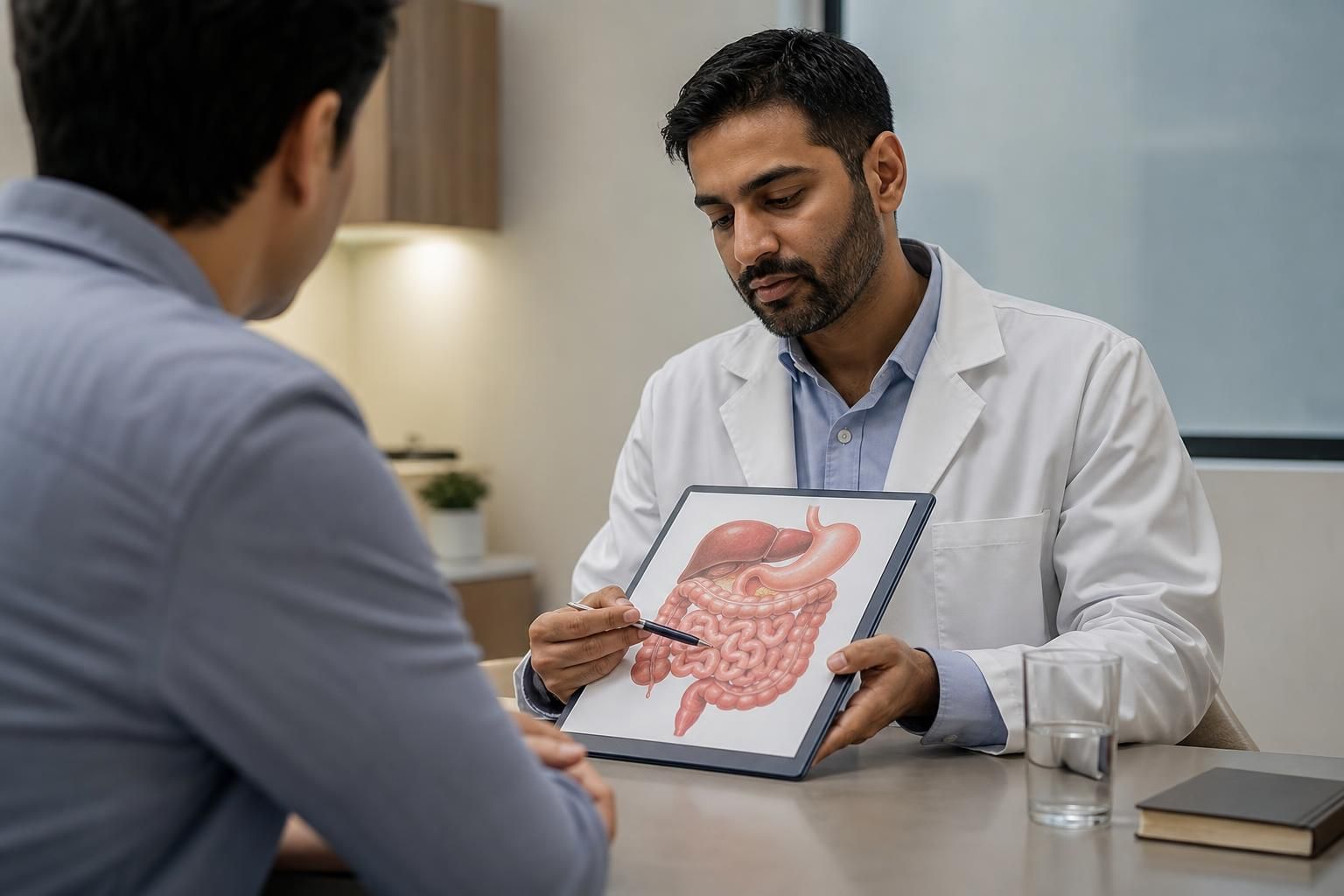
Doctors may suggest an endoscopy for ongoing reflux, difficulty swallowing, nausea, upper abdominal pain, blood in the stool, persistent diarrhoea, iron deficiency concerns, or bowel habit changes that do not settle. It may also be considered if there is concern about conditions such as coeliac disease, Crohn’s disease, IBS, constipation, or bowel cancer. For symptom-led assessments, a digestive system specialist can help decide which test is most appropriate.
The NHS explains that endoscopy is used to look inside the body using a thin, flexible tube with a camera, and that the type of test depends on the symptoms and the area being examined. You can see that general overview in the NHS guide to endoscopy. Similarly, the patient-facing resource from the Gastroenterological Society of Australia explains that upper GI endoscopy can help identify causes of upper digestive symptoms and guide treatment decisions in a more targeted way: what an upper GI endoscopy can help find.
If your symptoms are persistent, or if you have red flags such as vomiting blood, black stools, or unexplained weight loss, you should not wait for symptoms to drift on their own. In that situation, how to get endoscopy appointment becomes a question of urgency, not convenience.
What qualifies you for an endoscopy?
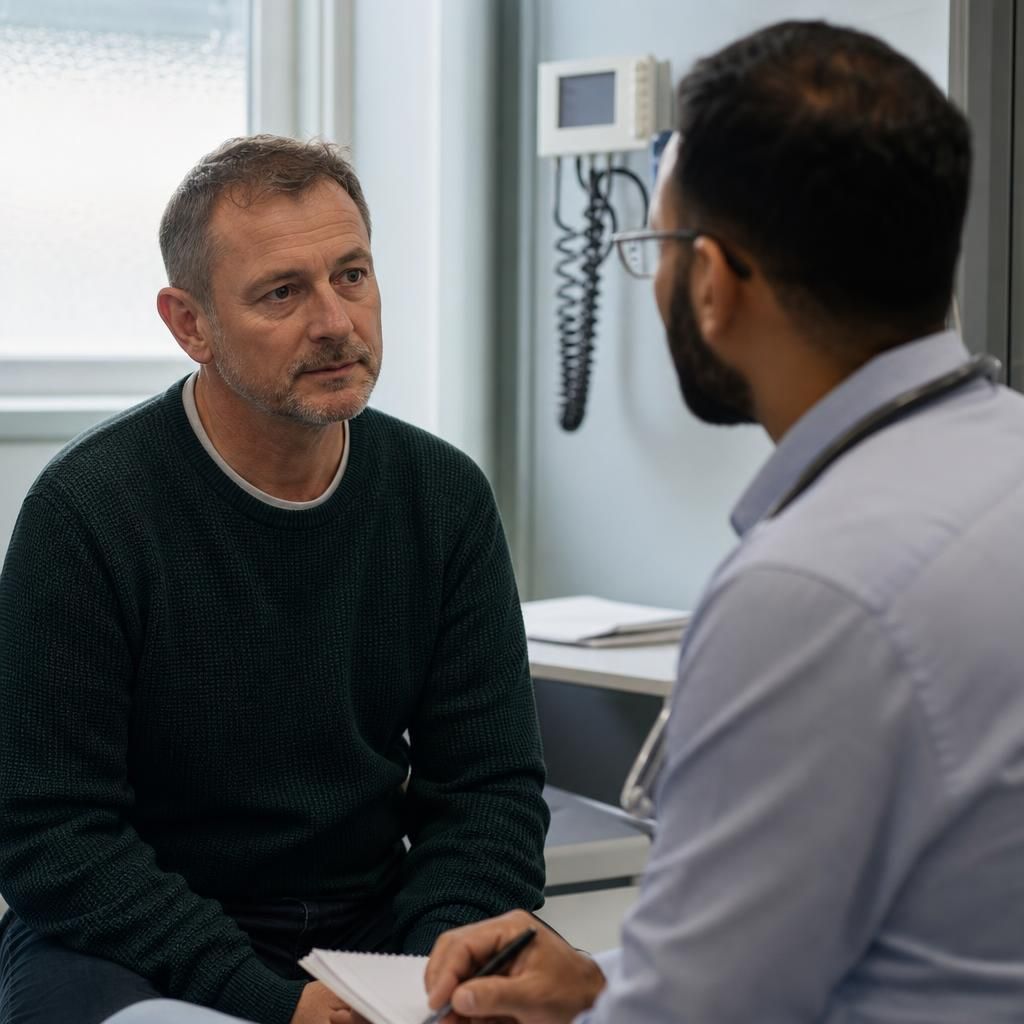
You usually qualify for an endoscopy when your symptoms suggest a problem that cannot be diagnosed confidently from a basic examination alone. Typical examples include ongoing reflux, swallowing problems, rectal bleeding, unexplained anaemia, or a change in bowel habits.
A doctor may also recommend endoscopy if you have a family history of bowel cancer or if another test points to a digestive issue that needs direct visual inspection. In practice, qualification depends on clinical judgement. That is why how to get endoscopy appointment often starts with a symptom review, not with the procedure itself.
How to get endoscopy appointment through your GP and the NHS
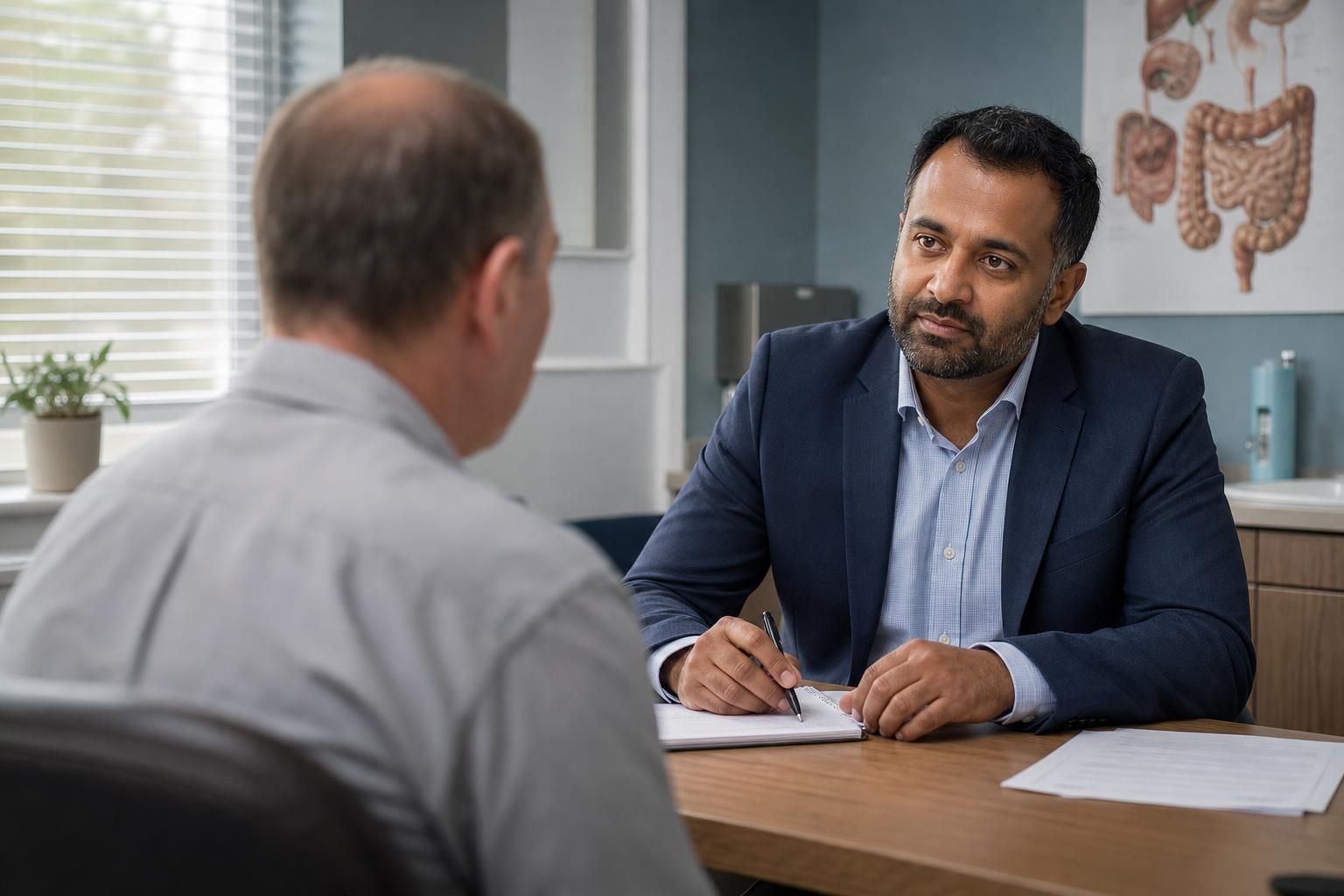
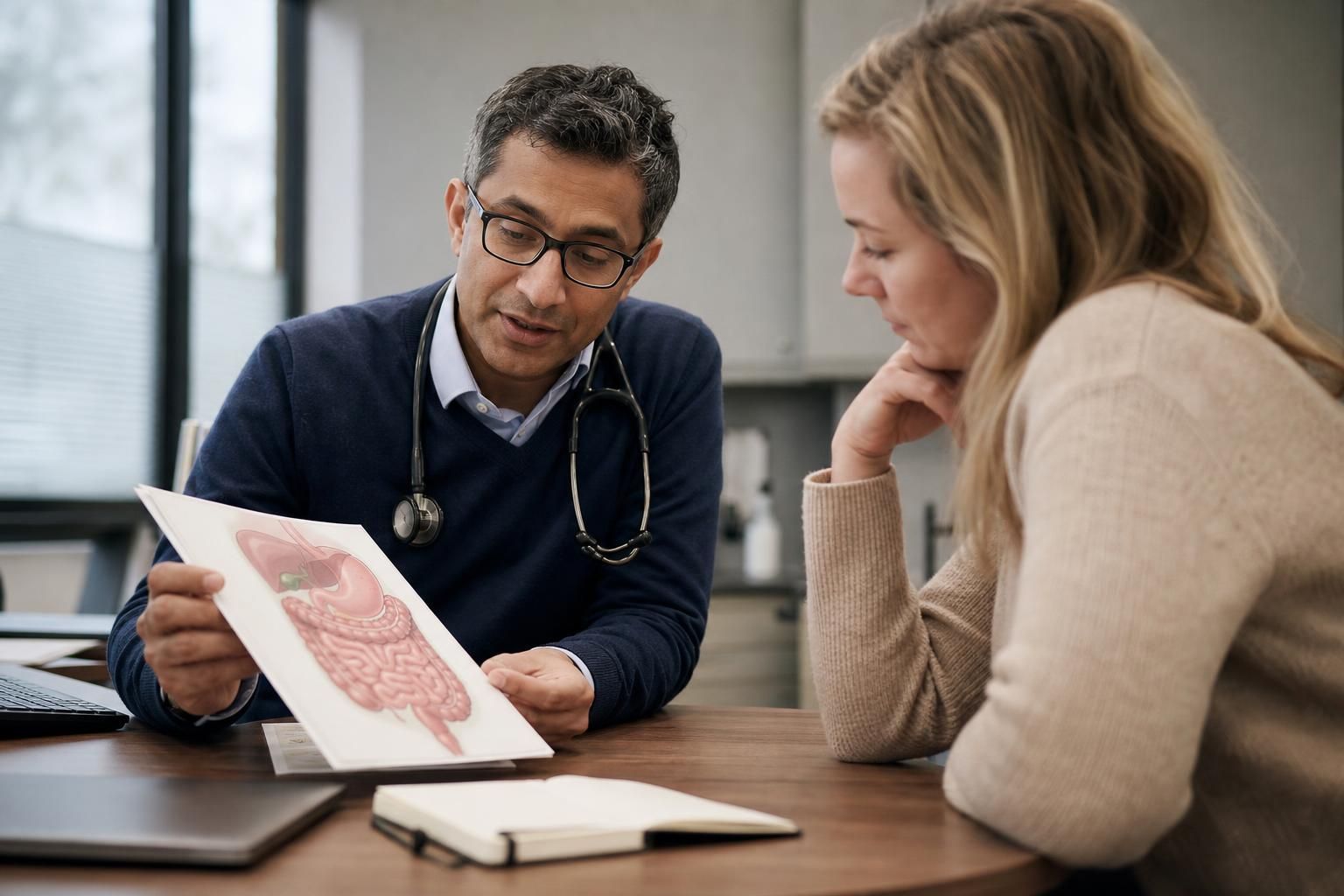
If you want NHS treatment, the usual route is to see your GP first. Your GP will assess your symptoms, ask about duration and severity, and decide whether an endoscopy referral is appropriate. In many cases, this is the standard answer to how to get endoscopy appointment through the NHS.
Your GP may arrange initial tests first, such as blood work or stool testing. If the findings or symptoms suggest a digestive condition that needs direct investigation, you may be referred to a hospital endoscopy unit. The NHS endoscopy page explains that appointments are arranged through referral pathways, and that the timing depends on clinical need and local capacity: NHS endoscopy guidance.
The main advantage of the NHS route is that it is structured and clinically led. However, waiting times can vary. Therefore, if your symptoms are troubling, your GP may still be the right first call, but not always the fastest way to get seen. If you need bowel-focused investigation, our colon cancer screening and testing page explains how we support patients with bowel concerns.
If your endoscopy is a colonoscopy, preparation matters. This patient information video explains the usual bowel prep process in a clear, practical way, which is helpful if you are trying to understand how to get endoscopy appointment and what comes next.
How do you get referred for an endoscopy?
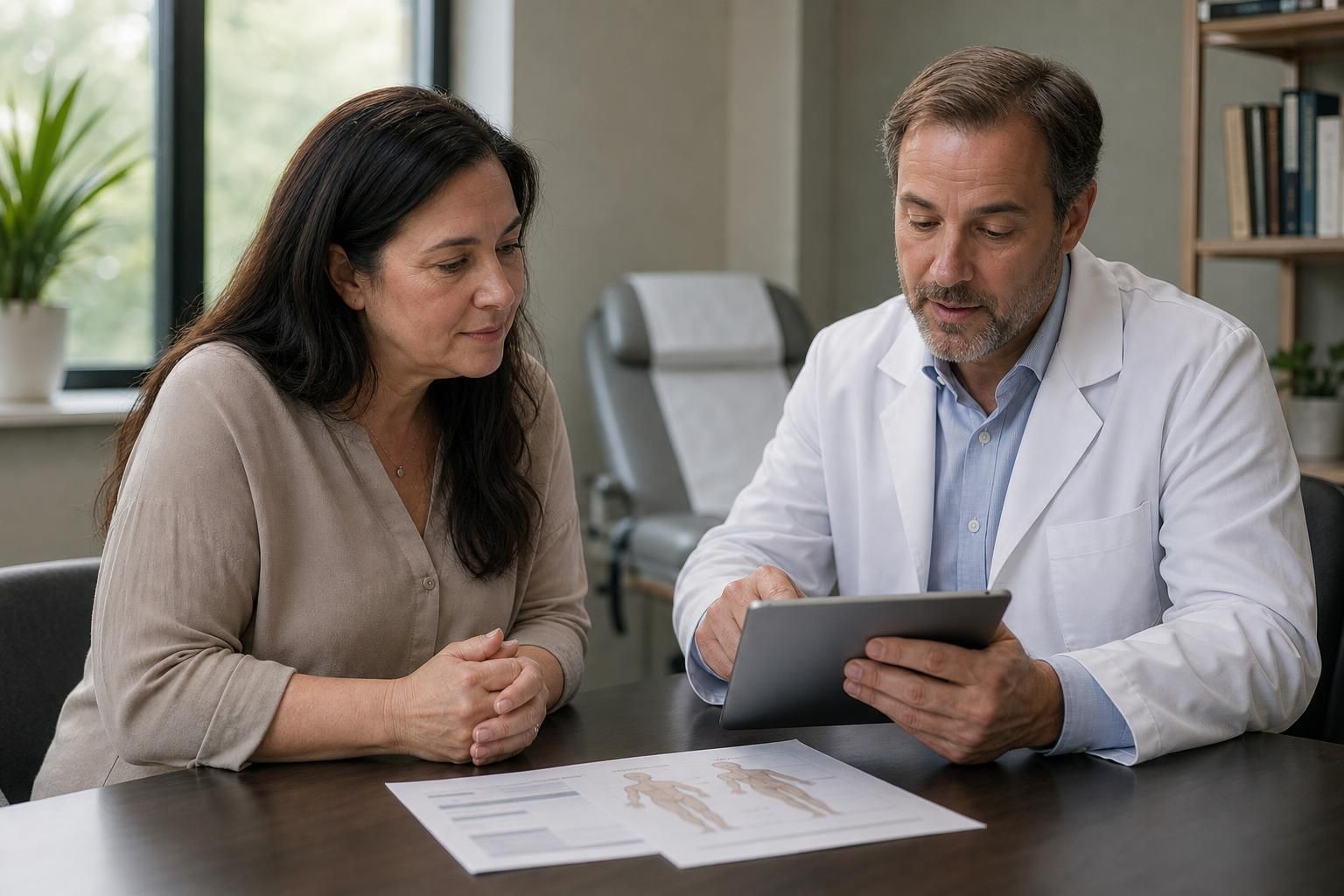
You get referred for an endoscopy by speaking to your GP or another qualified clinician about your symptoms. They will decide whether your symptoms justify specialist investigation and, if so, send a referral to the appropriate hospital service.
The referral usually includes your symptom history, medication list, and any prior test results. Clear detail helps the referral move forward more smoothly. If you are wondering how to get endoscopy appointment with fewer delays, being specific about bleeding, weight loss, pain, or bowel changes can help your clinician triage correctly.
How to get endoscopy appointment privately
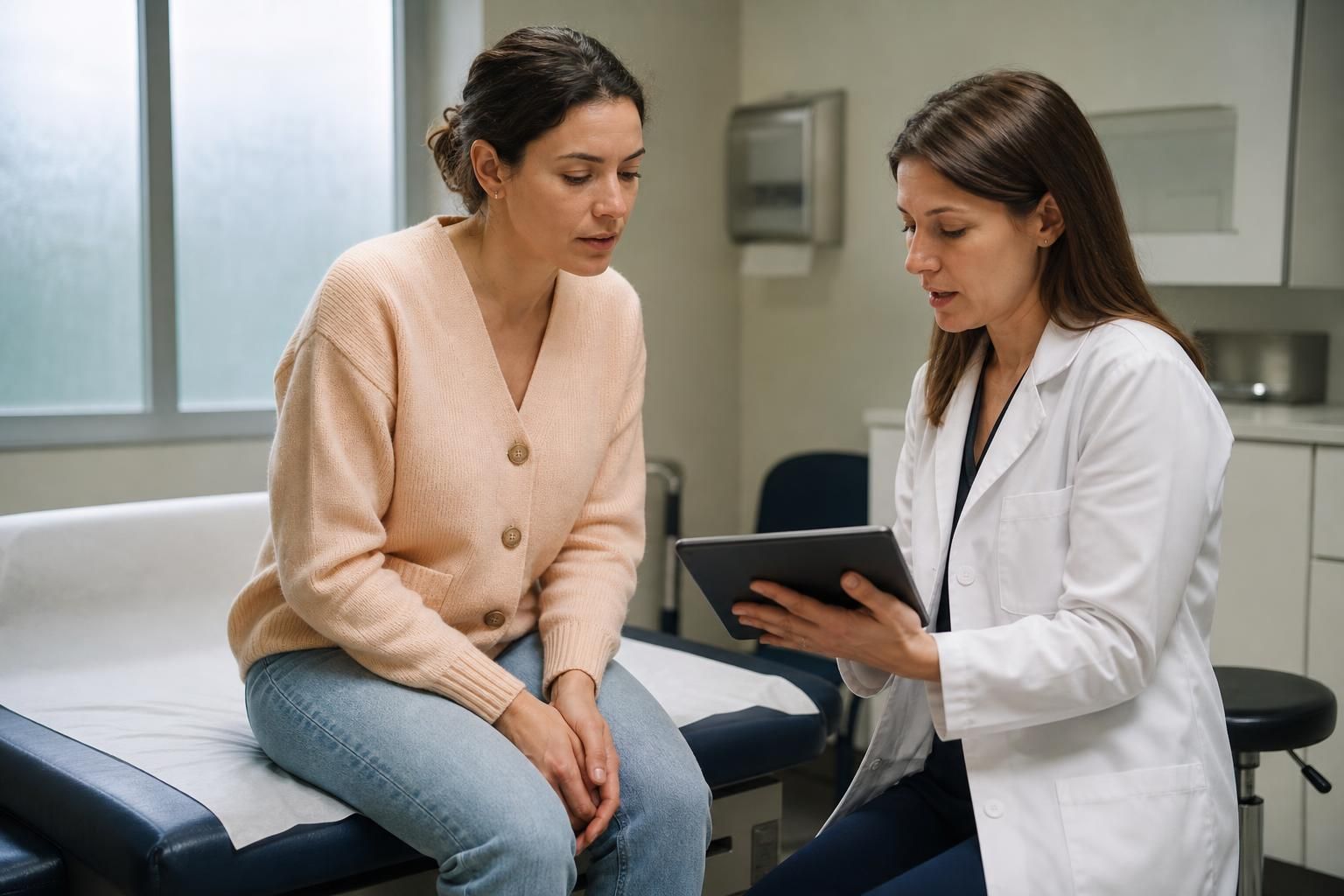
If speed and convenience matter, private care can be the most direct answer to how to get endoscopy appointment. In many cases, you can contact a private hospital or specialist service yourself, discuss your symptoms, and begin the booking process without waiting for an NHS referral.
At Chartwell, private access is designed to reduce friction. Patients can enquire directly, provide their symptom details, and be guided toward the most suitable investigation. That may be a gastroscopy, colonoscopy, flexible sigmoidoscopy, or a specialist consultation first. If you want to explore self-pay options, our self pay gastroscopy page and private endoscopy cost guide are useful starting points.
Private booking is often helpful if you have persistent reflux, stomach pain, altered bowel habits, or you simply want a faster diagnostic answer. It can also suit people who prefer a more personal pathway. However, you still need the right clinical information. A good private service will not simply book a test without checking whether the procedure is appropriate.
If you are weighing convenience against cost, read our practical guide on paying privately for an endoscopy. That page explains the self-pay pathway in plain language, including what you may be asked before booking.
In short, how to get endoscopy appointment privately is usually simpler than many people expect. You contact the provider, share your symptoms, and arrange the right consultation or test pathway from there.
Do you need a referral for private endoscopy?
Not always. Many private providers will accept direct self-referral for an initial enquiry, especially if you are paying yourself.
That said, some cases still benefit from a GP letter or recent test results. A referral can help the consultant understand your history faster. If you are serious about how to get endoscopy appointment quickly and safely, having your medications, previous scans, and recent blood tests ready is a smart move.
What information will the hospital ask for?
When you contact a provider, they will usually ask questions that help match you to the right test. This is an important part of how to get endoscopy appointment, because the booking team must make sure the request is clinically appropriate.
Be ready to share:
- Your main symptoms and when they started
- Any bleeding, weight loss, vomiting, or swallowing problems
- Whether symptoms are constant or come and go
- Current medicines, especially blood thinners
- Any previous endoscopy, scans, or blood tests
- Relevant family history, especially bowel cancer
The more accurately you describe the problem, the better the service can advise you. If your symptoms suggest inflammatory bowel disease, coeliac disease, constipation, or IBS, a consultant may recommend targeted testing before or alongside endoscopy. Our related services include coeliac disease testing, IBS testing, and chronic constipation support.
This step matters because how to get endoscopy appointment is not only about speed. It is also about getting the correct procedure the first time. That saves time, reduces repeat appointments, and helps you move toward a diagnosis sooner.
What happens after you book?
After booking, you will receive preparation instructions based on the procedure. Gastroscopy and colonoscopy have different requirements, and colonoscopy usually needs bowel preparation.
You will also be told about fasting, medication adjustments, and whether sedation may be available. Good preparation reduces delays on the day. It also helps the team complete the test safely and efficiently.
Symptoms that should not be ignored when deciding how to get endoscopy appointment
Some symptoms deserve quicker assessment than routine booking. If you are asking how to get endoscopy appointment because something feels wrong, pay close attention to red flags.
Seek prompt medical advice if you have:
- Unexplained weight loss
- Black stools or visible blood in the stool
- Vomiting blood
- Difficulty swallowing
- Persistent abdominal pain
- A major change in bowel habits
- Ongoing vomiting
- New symptoms that are worsening
These symptoms do not always mean something serious, but they do need proper assessment. In particular, bleeding, weight loss, and swallowing difficulty can justify faster investigation. If bowel symptoms are your main concern, our private cancer screening information may also help you think through next steps.
Therefore, the real question is not only how to get endoscopy appointment, but how quickly you should act. If symptoms are persistent or severe, do not wait for them to improve on their own. Getting the right test early can bring clarity and reduce worry.
How Chartwell can help with how to get endoscopy appointment
Chartwell offers a direct private route for patients who want expert digestive assessment without unnecessary delay. If you are looking for how to get endoscopy appointment in Essex, London, Leigh-on-Sea, or nearby areas, our team can guide you from enquiry to consultation to procedure.
We support patients who need investigation for reflux, abdominal pain, bowel changes, constipation, suspected IBS, Crohn’s disease, coeliac disease, and bowel cancer concerns. We also support people who want a specialist opinion before deciding on treatment or further tests. If you are comparing options, our private endoscopy near me guide explains how fast-access private care works in Essex.
You can also start with a consultant discussion if you are not yet sure which test you need. That is often the easiest route when symptoms overlap or when you want a careful, specialist-led plan. In addition, some patients use the appointment as a step toward broader digestive management, not just diagnosis.
For people with persistent digestive symptoms, how to get endoscopy appointment should feel clear and manageable. Chartwell is set up to make that process straightforward, with clinical support, practical booking, and a focus on timely answers.
How much will an endoscopy cost?
The cost depends on the procedure, the consultant input needed, and whether extra tests are required. It may also vary depending on sedation, biopsies, or follow-up appointments.
For a fuller breakdown, see our private endoscopy cost page. If you are comparing self-pay and insured pathways, that guide will help you ask the right questions before booking.
FAQs about how to get endoscopy appointment
These common questions help clarify how to get endoscopy appointment, whether you are using the NHS or going private.
Is endoscopy very painful?
No, endoscopy is usually uncomfortable rather than very painful. Most patients tolerate it well, and sedation or throat numbing may be offered depending on the procedure.
You may feel pressure, bloating, or a gagging sensation with gastroscopy. Colonoscopy can cause cramping or fullness. Your team should explain comfort options before the test, so you know what to expect.
How do you get referred for an endoscopy?
You usually get referred after seeing a GP or specialist who thinks your symptoms need direct inspection. They review your history, examine you, and decide whether endoscopy is the right test.
If you go privately, you may be able to book an initial consultation directly instead. That can be the quickest answer to how to get endoscopy appointment when time matters.
What qualifies you for an endoscopy?
Symptoms that suggest possible digestive disease can qualify you for an endoscopy. These include reflux, swallowing problems, bleeding, persistent pain, bowel changes, or unexplained weight loss.
A family history of bowel cancer or abnormal test results can also support the decision. Qualification is always based on clinical judgement, not just one symptom alone.
How much will an endoscopy cost?
The price varies by procedure and what is included. Costs may change if you need sedation, biopsies, histology, or follow-up care.
If you want a private route, ask for a clear written estimate before booking. That makes it easier to compare options and plan your next step with confidence.
Key Takeaways
- The fastest way to get an endoscopy appointment depends on whether you use the NHS or a private provider.
- A GP referral is usually the NHS route, while private care often allows more direct booking.
- You should act quickly if you have red-flag symptoms such as bleeding, swallowing difficulty, or unexplained weight loss.
- Private endoscopy can be a practical option if you want faster access and specialist-led guidance.
- Preparation, symptom detail, and the right test choice all help the booking process move more smoothly.