Can You Pay Private for an Endoscopy? Self-Pay Booking Guide
Quick Answer
Yes, you can pay private for endoscopy in the UK if you want faster access, flexible booking, or direct control over your care. The usual pathway is an enquiry, a consultant review, then the procedure and follow-up. A GP referral is often helpful, but many providers can guide self-pay patients through the process.
If you want faster access to a diagnostic test, you may be wondering whether you can pay private for endoscopy. In most cases, the answer is yes. Self-pay is a common route for adults who want to move quickly, book around work or family commitments, or take control of their investigation pathway without waiting for an NHS appointment. At The Chartwell Private Hospital, we help patients arrange private gastroenterology care, including self pay gastroscopy, specialist consultations, and onward testing when needed. This guide explains how the process works, whether you need a referral, what costs to ask about, and what to expect from booking to results. It is designed for people who already know they want speed and clarity, but are unsure what the practical steps are. If you are considering private testing for symptoms such as reflux, abdominal pain, bowel changes, or concern about cancer screening, understanding how to pay private for endoscopy can help you make a confident decision.
Yes, you can pay private for endoscopy
Yes, you can pay private for endoscopy, and self-pay is a straightforward option at many private hospitals and clinics. It means you cover the cost yourself rather than using insurance or waiting for NHS scheduling. For many patients, that makes the process simpler and faster.
If you are looking for a provider that supports private gastroenterology diagnostics, it helps to start with a service page that explains the pathway clearly, such as private endoscopy services. That should tell you what procedures are available, who sees you, and what happens next.
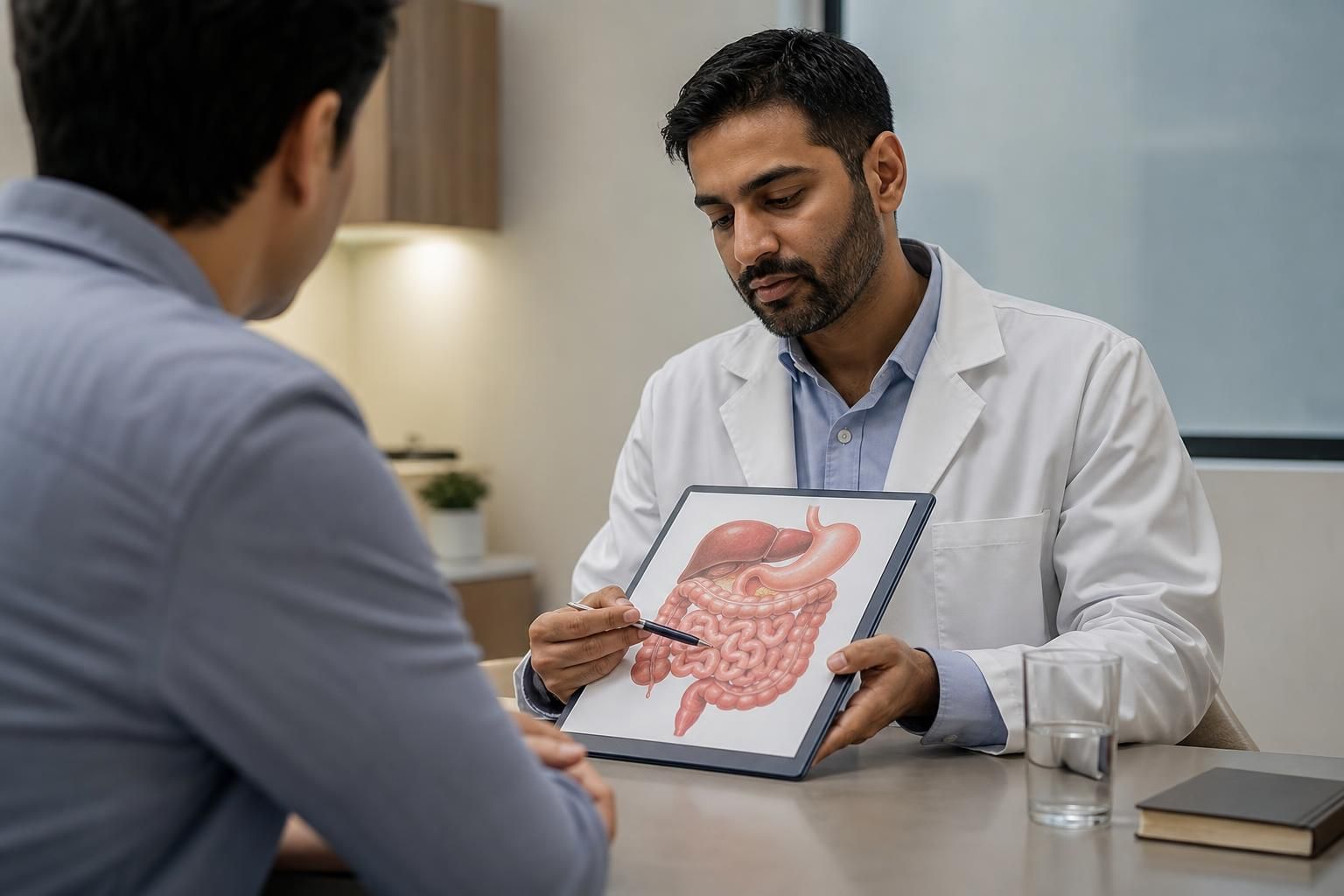
Private endoscopy is usually arranged for either upper or lower gastrointestinal symptoms. Common examples include gastroscopy, colonoscopy, and flexible sigmoidoscopy. Some patients also combine their visit with a consultation from a private gastroenterologist or a broader assessment from a digestive system specialist.
A self-pay route is often useful when time matters. It can also suit people who want clearer communication, a predictable booking process, and a direct point of contact. If you are unsure about pricing, a good provider should explain what is included before you commit. The key point is simple: you can pay private for endoscopy, and you should expect a clear pathway from enquiry to results.
For general guidance on private endoscopy pathways in London, UCLH Private Healthcare’s private endoscopy service overview is a useful example of how specialist services are commonly structured. Meanwhile, the PHIN guide to private endoscopies is helpful if you want a neutral overview of what private endoscopy usually involves.
Video context: If you want a simple overview of a modern private endoscopy service, this short explainer from UCLH Private Healthcare is a useful reference.
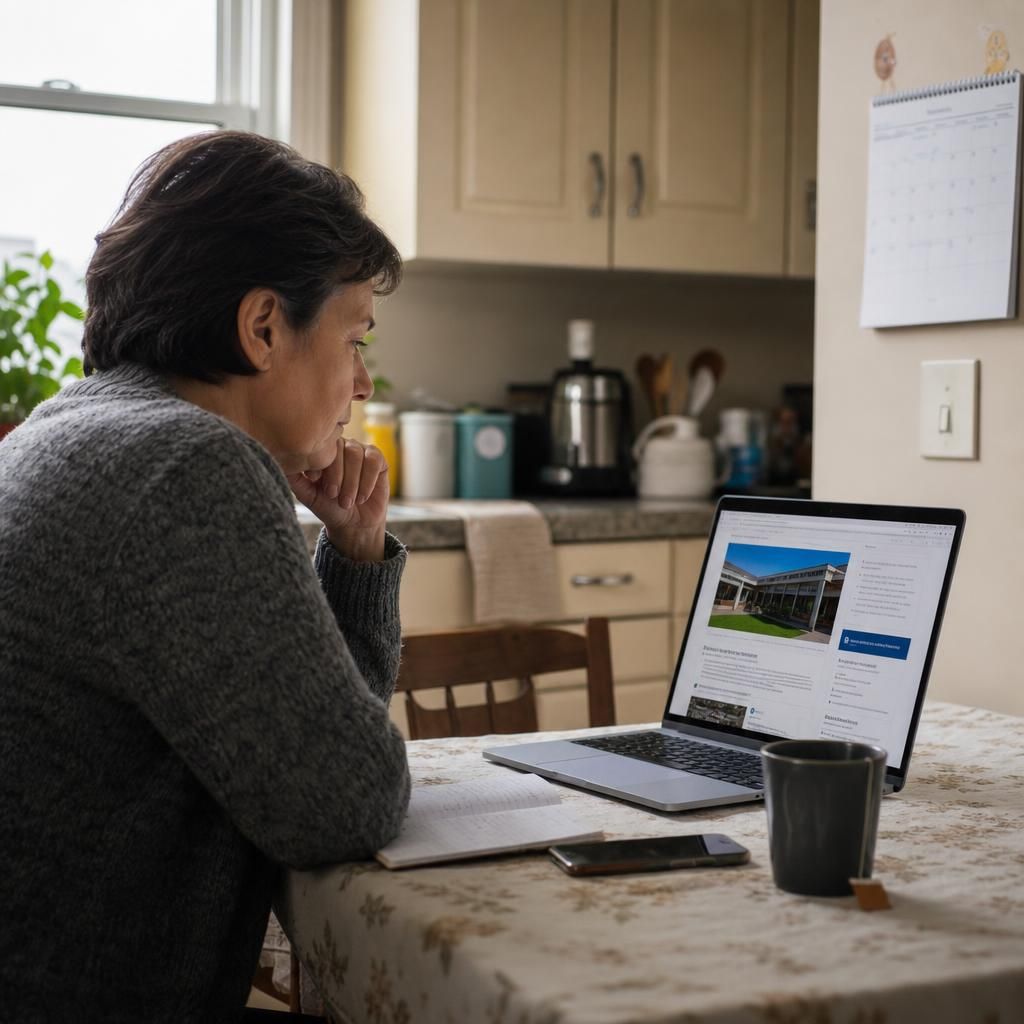
What is pay private for endoscopy?
Pay private for endoscopy means you fund the test yourself and book directly with a private provider. In practice, that usually includes the consultation, the procedure, and any agreed follow-up, although each clinic may package things differently.
This route is common for people who want quicker access or more control over appointment timing. It is also useful for patients who want to compare service features before they book. The main value is clarity: you know who is arranging the test, how it will happen, and what it costs before treatment begins.
When people choose to pay private for endoscopy
People usually pay private for endoscopy when symptoms are worrying, persistent, or disruptive. It is also a common choice for those who want faster reassurance. If you have indigestion that will not settle, trouble swallowing, rectal bleeding, ongoing constipation, unexplained weight loss, or a change in bowel habit, speed can matter.
Another common reason is convenience. Some patients prefer to book around work, travel, or caring commitments. Others want a direct route into specialist review for issues such as irritable bowel syndrome testing, chronic constipation assessment, Crohn disease testing, or coeliac disease testing.
Some patients also use private diagnostics as part of cancer awareness or screening. If you are concerned about bowel cancer risk, a targeted test may be discussed alongside colon cancer screening and testing or private cancer screening.
If you are comparing providers, look for clear information on booking, aftercare, and what happens if the doctor needs to take biopsies. Also check whether sedation, pathology, and follow-up are separate. That detail matters more than a headline price.
Video context: If you want to understand the appointment flow, this NHS Trust video gives a clear step-by-step overview of what may happen during an endoscopy visit.
Private endoscopy is not only about speed. It is also about structure. A good service should make the route easy to understand from the first call, so you can pay private for endoscopy without confusion or unnecessary delays.
Do you need a referral to pay private for endoscopy?
Not always. Many private providers can accept self-referrals, although a GP letter can still be helpful. The right answer depends on the service, your symptoms, and whether the clinician needs background information before booking.
If you already have test results, medication lists, or a recent GP assessment, bring them with you. That helps the consultant decide which investigation is most suitable. It can also prevent repeat appointments.
A referral is especially useful when your symptoms are complex, long-standing, or linked to other conditions. For example, if you are being assessed for a digestive disorder, a consultant may want a fuller clinical history before recommending an endoscopy, blood tests, or stool tests.
If you want to pay private for endoscopy and do not have a referral, start by asking the provider how their self-pay pathway works. Some services will book you directly for an initial consultation. Others may ask for a GP summary first. Either way, the process should be clear.
The practical rule is simple: a referral can help, but it is often not essential. What matters most is that the provider understands your symptoms and can direct you to the right investigation.
Step-by-step self-pay pathway to pay private for endoscopy
The self-pay pathway is usually simple. First, you enquire. Then you are reviewed by the appropriate clinician. After that, the procedure is booked, and you receive results and follow-up advice.
This is the most common pattern when people pay private for endoscopy. It keeps the process efficient and reduces avoidable delays. If you want a local example of how a provider presents that journey, see private endoscopy near me in Essex for a practical view of fast access and local booking.
The key advantage is transparency. You know what stage you are at and what comes next. That matters when you are anxious about symptoms or waiting for a diagnosis.
The steps below show the pathway in more detail.
Initial enquiry
Your first step is usually a phone call, web enquiry, or online form. At this stage, you should ask whether you can pay private for endoscopy, what the available appointment times are, and whether you need any documents before booking.
It is smart to ask about location, sedation options, and whether the clinic handles biopsies or follow-up in-house. If you are comparing services, use the enquiry call to check whether the team can help with related concerns such as screening, upper GI symptoms, or bowel symptom assessment.
Consultant review or consultation
Next, a consultant reviews your symptoms and medical history. This can be an in-person appointment or, in some cases, a video consultation.
The consultant decides whether endoscopy is the right test and which type is most appropriate. If you need broader weight-loss support alongside digestive care, a separate pathway may be discussed, such as gastric balloon news or how Allurion works.
Procedure appointment
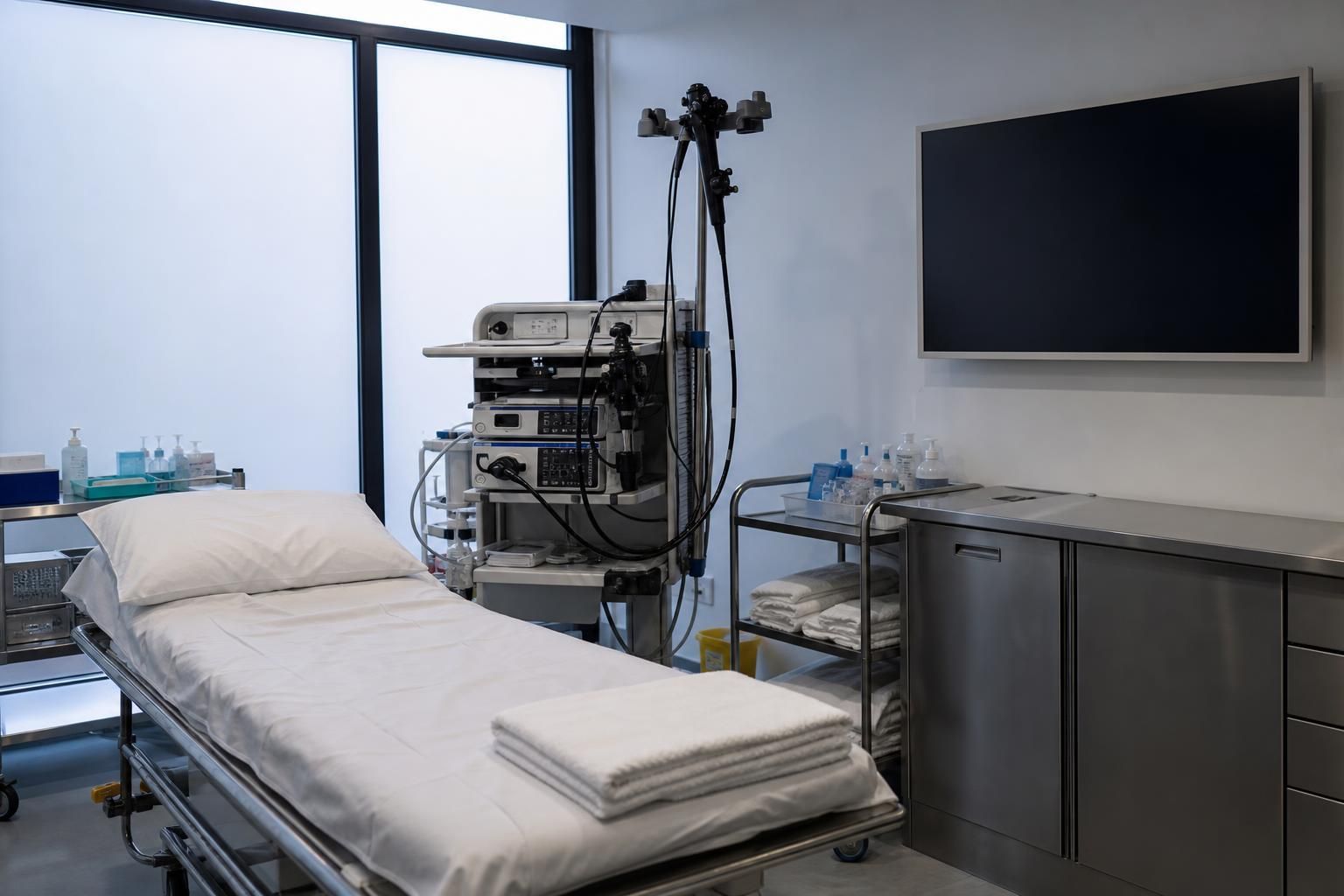
On the day, you attend for the scheduled endoscopy. The team should explain preparation, consent, comfort measures, and what happens during the test.
If you want a general sense of the appointment structure, the NHS Trust video above is useful. It shows the kind of step-by-step flow many patients experience, even when they pay private for endoscopy.
Results and follow-up
After the test, you should receive clear next steps. That may include immediate findings, written results, biopsy discussion, or a follow-up appointment.
Good aftercare matters. You should know who explains the findings, how soon you will hear back, and what to do if symptoms continue. That is one of the biggest advantages when you pay private for endoscopy through a coordinated service.
What costs should you ask about when you pay private for endoscopy?
You should ask for the full breakdown before booking. The headline fee is only part of the picture, and the cheapest quote is not always the clearest one.
When you pay private for endoscopy, ask whether the price includes the consultation, sedation, pathology, biopsies, and follow-up. Also ask what happens if the clinician needs a different procedure on the day. A provider should explain any extra charges in advance.
This is where service details matter. If you are comparing self-pay options, look at the provider’s own cost pages, such as private endoscopy cost and the more detailed private endoscopy costs with Bupa and self-pay options page. Even if you are not using insurance, those pages often clarify what is included and what may be separate.
For external context, Private Endoscopy Services from Gastro London and Practice Plus Group’s explanation of private endoscopy costs are useful examples of how providers describe the self-pay route. For specific pricing benchmarks, fees and procedures information from Dr Gareth Corbett is another useful reference point.
If you are asking, “What is the average cost of an endoscopy?” the safest answer is that it varies by procedure and by what is included. Similarly, “How much does it cost to see a gastroenterologist privately?” depends on consultation length, location, and whether investigations are bundled. A transparent quote should make those differences obvious.
Ask these questions before you commit:
- Is the consultation included?
- Are sedation and recovery included?
- Are biopsy and histology extra?
- Will I get a written report?
- What follow-up is included if results need discussion?
That checklist helps you compare like for like when you pay private for endoscopy.
How to book at Chartwell if you want to pay private for endoscopy
Booking should be simple, fast, and well explained. At Chartwell, the aim is to make self-pay private gastroenterology care feel straightforward from the first enquiry.
If you want to pay private for endoscopy, start by visiting the hospital website and choosing the right service page for your symptoms. If you already know you need a procedure, the private endoscopy services page is a good starting point. If you are still deciding between screening, consultation, or a specific digestive test, the team can point you in the right direction.
For patients in Leigh-on-Sea, Essex, London, and nearby areas, the main benefit is access. You can ask about appointment availability, referral requirements, and what documents to bring. You can also discuss related services such as gastroenterology review, cancer screening, or digestive symptom assessment in the same pathway.
The best way to prepare is to have your symptoms written down, along with any medication list and previous test results. That makes the consultation more efficient. It also helps the clinician decide whether you need endoscopy, another diagnostic test, or a different specialist review.
If you want faster answers and a clear self-pay route, the process is usually much easier than people expect. With the right provider, you can pay private for endoscopy without unnecessary back-and-forth, and you can move from enquiry to investigation in a structured way.
Key Takeaways
- You can pay private for endoscopy, and self-pay is often the simplest route for faster access.
- A referral is helpful, but many providers can guide you through the pathway without one.
- Always ask what the fee includes before booking, especially for consultation, sedation, biopsies, and follow-up.
- The best self-pay pathway is clear: enquiry, consultant review, procedure, and results.
- If you want fast local access in Essex or London, Chartwell can help you understand the right private gastroenterology route.
Frequently Asked Questions
Can you pay privately for an endoscopy?
Yes, you can pay private for endoscopy at many private providers in the UK. The usual route is self-pay, which means you fund the consultation and procedure yourself rather than waiting for NHS scheduling or using insurance.
What is the average cost of an endoscopy?
There is no single average price that applies to every endoscopy. The cost depends on the type of procedure, whether a consultation is included, and whether sedation, biopsies, or follow-up are part of the quote.
How much does it cost to see a gastroenterologist privately?
Private gastroenterology consultation fees vary by provider, appointment length, and location. When you pay private for endoscopy, ask whether the consultation is included in a package or charged separately from the procedure.
How much is the price of an endoscopy?
The price depends on what kind of endoscopy you need and what the provider includes in the fee. Always ask for a written breakdown before booking so you can compare self-pay options fairly.
Do I need a GP referral to pay private for endoscopy?
Not always. Many providers can accept self-referrals, but a GP letter or medical summary can help the consultant review your symptoms and choose the right test more quickly.