Private Endoscopy Services: Gastroscopy, Colonoscopy and Flexible Sigmoidoscopy
Quick Answer
Private endoscopy is a consultant-led way to investigate symptoms such as reflux, bowel changes, abdominal pain, bleeding, or suspected cancer with faster access and clear next steps. At The Chartwell Private Hospital, private endoscopy can include gastroscopy, colonoscopy, or flexible sigmoidoscopy, with preparation, sedation, and follow-up tailored to your needs.
Private endoscopy gives adults faster access to specialist investigation when digestive symptoms need a clear answer. It is a consultant-led pathway that may include gastroscopy, colonoscopy, or flexible sigmoidoscopy, depending on where your symptoms are coming from and what needs to be examined. If you are looking for private gastroenterologist support, this hub explains the full service in one place, so you can understand the procedure, preparation, safety, comfort options, and self-pay journey before you book. Private endoscopy is often chosen by people with reflux, abdominal pain, bowel habit changes, rectal bleeding, ongoing constipation, or concern about colon cancer. It can also be an important step when symptoms need prompt investigation rather than watchful waiting. At The Chartwell Private Hospital, the goal is simple: make private endoscopy clear, accessible, and clinically led from start to finish.
What is private endoscopy?
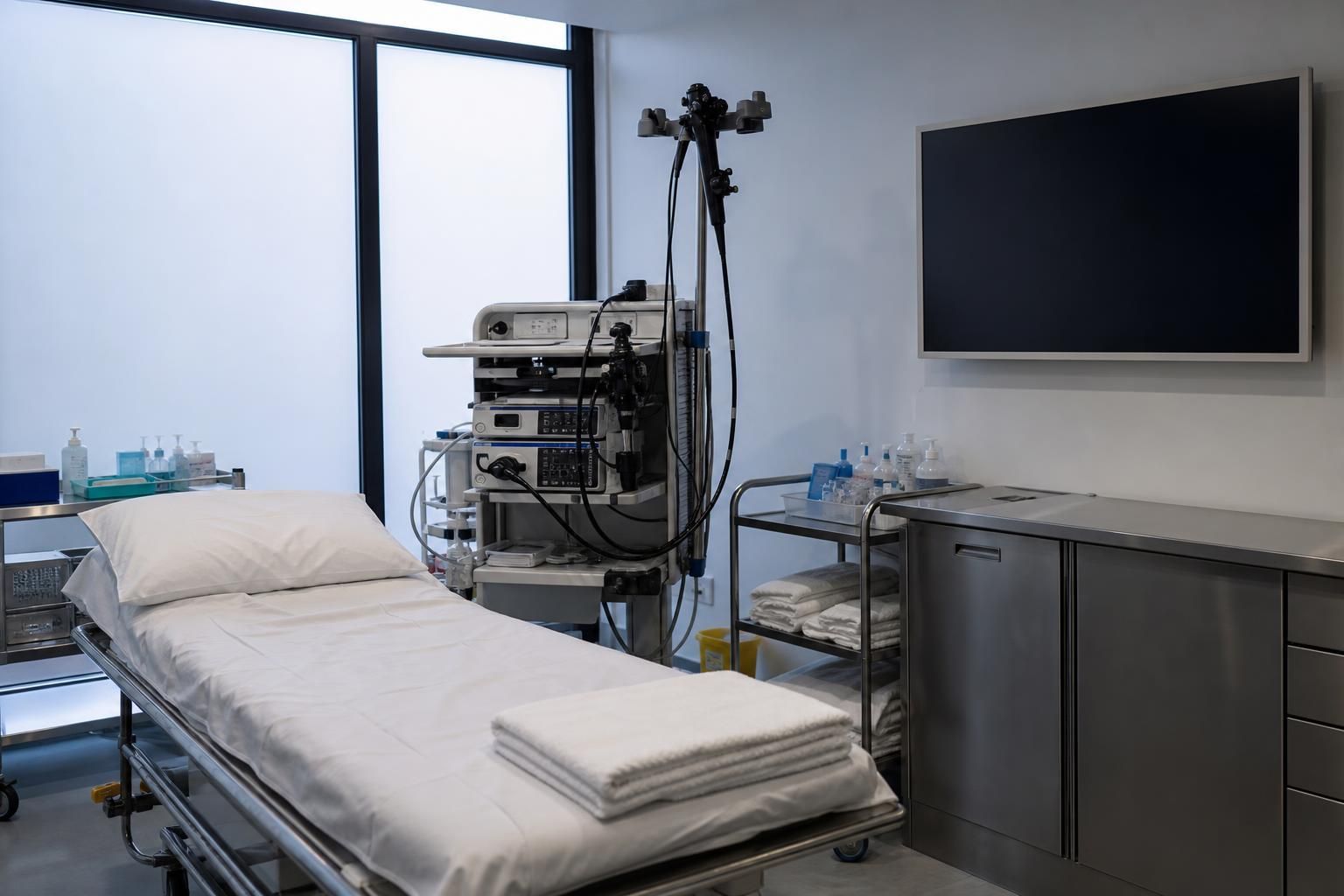
Private endoscopy is an internal examination of the digestive tract using a thin, flexible camera called an endoscope. It helps a specialist see the oesophagus, stomach, bowel, or lower bowel directly, so symptoms can be assessed with more certainty.
This is a diagnostic service, not just a scan. It can show inflammation, ulcers, polyps, bleeding, narrowing, or other visible changes that may explain your symptoms. If you want a specialist-led overview of digestive investigation, the digestive system specialist service is often the right starting point.
Private endoscopy matters because many digestive problems look similar at first. Reflux, indigestion, bloating, altered bowel habits, and abdominal pain can overlap. Therefore, direct visual examination can be more useful than relying on symptoms alone. In some cases, samples may also be taken for histology, which helps confirm or rule out conditions such as coeliac disease, inflammation, or cancer-related change.
For patients who want to understand how a consultant-led pathway works, an external overview from UCLH Private Healthcare’s private endoscopy service is a useful reference point. You can also compare practical patient information in PHIN’s guide to private endoscopies, which explains what private endoscopy usually involves.
In simple terms, private endoscopy is chosen when you want faster investigation, consultant oversight, and a clearer route from symptoms to diagnosis. That is especially valuable when worry is high or when symptoms are persistent.
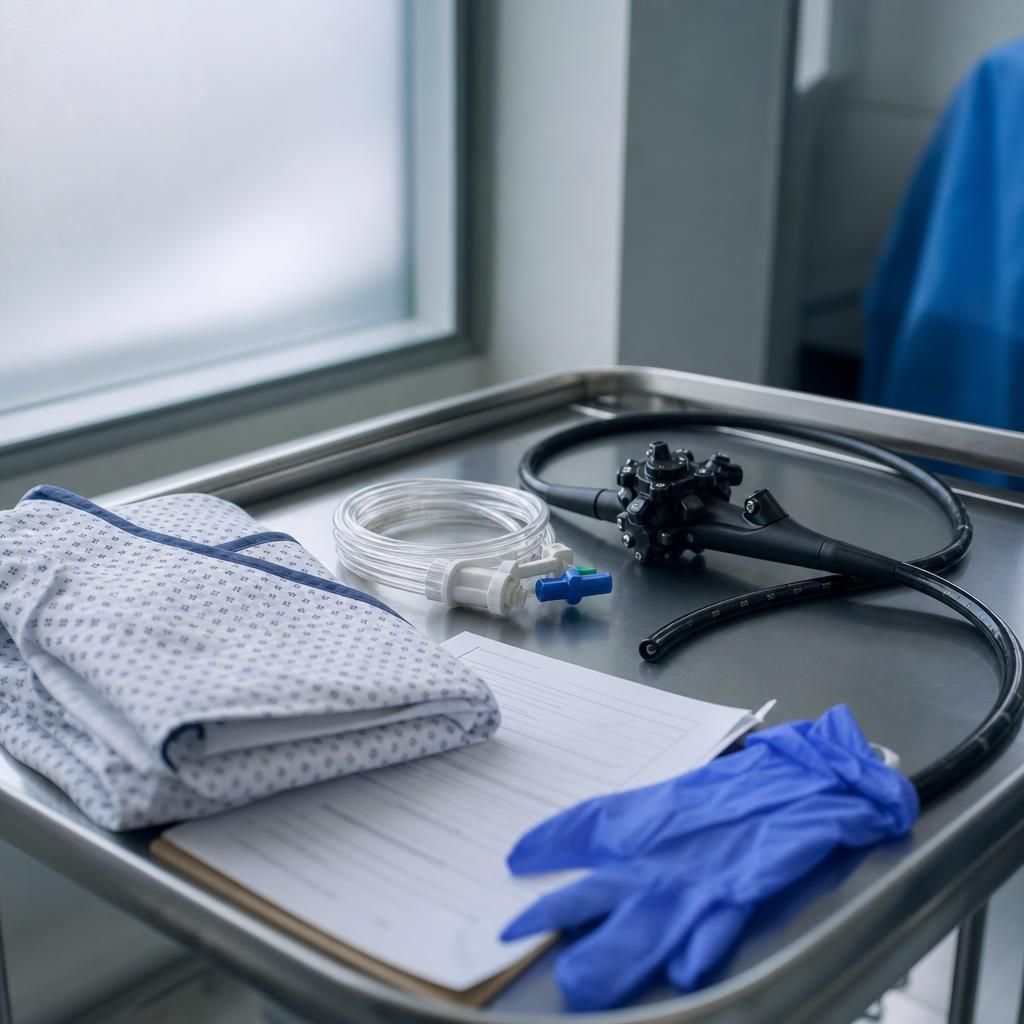
Types of private endoscopy available
Private endoscopy is not one single test. It includes different procedures, and the right one depends on your symptoms and the part of the gut that needs to be assessed.
The main options are gastroscopy, colonoscopy, and flexible sigmoidoscopy. Each test examines a different area and answers a different clinical question. If you are considering self pay gastroscopy, or need a broader bowel investigation, the procedure choice should be guided by a consultant assessment.
A useful way to think about private endoscopy is this: upper-gut symptoms usually point toward gastroscopy, lower-bowel symptoms often point toward colonoscopy, and left-sided bowel symptoms may be suitable for flexible sigmoidoscopy. However, the final choice should always match your history, exam, and any prior test results.
Gastroscopy
Gastroscopy examines the oesophagus, stomach, and duodenum. It is commonly used for reflux, swallowing difficulties, indigestion, nausea, upper abdominal pain, and suspected ulcers.
During private endoscopy for upper-gut symptoms, a thin camera is passed through the mouth. The specialist can look for inflammation, hiatus hernia, bleeding, ulceration, or signs of coeliac disease. Samples may be taken if needed. If you want a local pathway for this test, the self pay gastroscopy page explains that service in more detail.
For a general patient perspective, the procedure overview from Gastroscopy (Endoscopy) | Spire Manchester Hospital is broadly consistent with standard gastroscopy practice, although your exact experience will depend on your clinical plan and comfort options.
Colonoscopy
Colonoscopy examines the large bowel, including the rectum and most or all of the colon. It is often recommended for rectal bleeding, unexplained anaemia, persistent diarrhoea, change in bowel habit, abdominal pain, or bowel cancer screening concerns.
Private endoscopy by colonoscopy gives the consultant a direct view of the colon lining and allows removal or biopsy of suspicious areas if appropriate. This is particularly relevant when symptoms overlap with cancer warning signs or inflammatory bowel disease.
If you are exploring bowel cancer assessment, the colon cancer screening and testing page is a useful next step. In some cases, patients may also be guided toward private cancer screening if there is broader concern that needs structured review.
Flexible sigmoidoscopy
Flexible sigmoidoscopy examines the rectum and left side of the colon. It is less extensive than colonoscopy, but it can still identify inflammation, polyps, bleeding sources, and other changes in the lower bowel.
Private endoscopy with flexible sigmoidoscopy may suit some patients who mainly have left-sided symptoms, such as rectal bleeding, urgency, or local bowel discomfort. It is sometimes used when a shorter investigation is appropriate, but the decision should still be based on clinical judgment.
If constipation is part of the picture, you may also benefit from the chronic constipation service, especially when symptoms are long-standing or difficult to manage. Likewise, if the pattern suggests functional bowel symptoms, the irritable bowel syndrome test London page can help you compare the diagnostic pathway.
What symptoms may need private endoscopy?
Private endoscopy is often recommended when symptoms are persistent, unexplained, or concerning. It is especially useful when simple treatment has not helped or when a specialist wants to exclude a structural problem.
Common reasons include reflux, swallowing problems, upper abdominal pain, bloating, nausea, rectal bleeding, unexplained weight loss, ongoing diarrhoea, constipation, and a change in bowel habit. In addition, private endoscopy may be appropriate when there is family history or clinical concern about cancer.
If you are not sure which specialist page fits your symptoms, the private gastroenterologist and digestive system specialist pages can help you understand the referral route.
It is also worth noting that some symptoms need quicker investigation than others. For example, rectal bleeding with a change in bowel habit, or difficulty swallowing that is getting worse, should not be ignored. A consultant can decide whether private endoscopy is the right next step or whether another test should come first.
For patients worried about cancer risk, private endoscopy may form part of a wider assessment rather than a standalone test. That is why symptom review matters. The more detail you give about timing, triggers, pain location, bowel pattern, and any family history, the more accurately the specialist can match the procedure to your needs.
What conditions can private endoscopy help diagnose?
Private endoscopy can help identify both common and serious digestive conditions. It is one of the most useful ways to investigate symptoms because it shows the tissue directly.
It may help diagnose reflux-related damage, gastritis, ulcers, coeliac disease, polyps, diverticular disease, inflammatory bowel disease, and some causes of bleeding or anaemia. It can also support the assessment of unexplained abdominal pain, long-term bowel symptoms, and suspected cancer.
In upper-gut workups, biopsies may help confirm coeliac disease or other inflammation. If that is part of your symptom pattern, the celiac disease - Test page gives a more focused explanation. For lower-gut symptoms, the colon cancer screening and testing service is the most relevant companion page.
Private endoscopy can also sit alongside broader diagnosis for recurring bowel symptoms. For example, patients with ongoing bloating, pain, or altered bowel habits may need both a procedure and consultant review. In those cases, the examination result is only one part of the answer.
This is why a service hub matters. Private endoscopy works best when it is linked to the right specialist pathway, clear preparation instructions, and follow-up that explains what the findings mean in plain English.
How do you prepare for private endoscopy?
Private endoscopy preparation depends on the procedure. Gastroscopy usually involves fasting before the test. Colonoscopy usually needs bowel preparation, which clears the colon so the specialist can see clearly. Flexible sigmoidoscopy may need lighter preparation, depending on the clinical plan.
You will normally receive written instructions in advance. Follow them carefully, because preparation quality affects how useful the examination will be. If the bowel is not properly prepared, findings can be missed and the test may be less helpful.
Before your appointment, tell the team about medicines, allergies, previous operations, and any condition that affects sedation or recovery. That includes blood thinners, diabetes medicines, and any history of sleep apnoea or difficult sedation. Good communication improves safety and avoids delays.
For some patients, preparation starts with the right consultant referral. If your symptoms are complex, it may be sensible to book a review through private gastroenterologist services first.
If you want to see how a consultant-led private pathway is structured, the overview from UCLH Private Healthcare’s private endoscopy service offers a helpful example. It shows the value of clear patient guidance before the day of the procedure.
What preparation is usually needed?
Preparation is usually simple, but it must be followed exactly. Your instructions will explain fasting, bowel cleansing, medicine changes, and what to bring on the day.
For private endoscopy, the details vary by test. Gastroscopy preparation is usually shorter. Colonoscopy preparation is more involved because the bowel must be clean enough for a full examination.
Sedation and comfort in private endoscopy
Private endoscopy is usually designed to be as comfortable as possible. Many patients worry about pain, but the procedure is commonly managed with reassurance, local measures, and, where appropriate, sedation.
Sedation choices depend on the test and your medical history. Some patients prefer to stay awake and use throat spray or similar comfort measures. Others want sedation to feel calmer and remember less of the procedure. Your consultant will discuss the safest option for you.
A brief patient walkthrough can help reduce anxiety. Before booking, it may be useful to watch the short overview of a consultant-led pathway in
. To help patients understand what typically happens on the day of an endoscopy appointment, the NHS Trust walkthrough in
is also a useful reference.
Comfort is not only about medicine. Calm explanations, privacy, and a well-organised appointment all matter. That is one reason private endoscopy is often preferred by patients who want a smoother experience and more direct communication with the clinical team.
If weight-loss treatment is also being considered, the endoscopy discussion may sit alongside broader planning. In that case, the How Allurion Works page and the Gastric Balloon News hub may be relevant for non-surgical options.
Risks, consent and patient safety
Private endoscopy is generally safe, but every procedure has some risk. The main issues can include bleeding, discomfort, perforation, sedation-related effects, or a reaction to medication.
A consultant should explain the benefits, alternatives, and likely risks before you proceed. That discussion is part of informed consent, and it should be clear enough for you to ask questions and make a confident decision.
Safety also depends on good screening before the test. The team needs to know about medicines, allergies, previous reactions to sedation, and major health conditions. If you have complex medical needs, the procedure may be adjusted to reduce risk.
Private endoscopy should never feel rushed. A careful pre-assessment, clear instructions, and an experienced clinical team all help improve safety. If a sample is needed, the specialist should explain why it is being taken and what it may show.
For authoritative general guidance on how urgent endoscopy pathways are accessed in hospital systems, Guy’s and St Thomas’ information on urgent endoscopy appointments is a useful public reference. In the private sector, urgency is usually handled through consultant triage rather than standard waiting lists.
What happens on the day of private endoscopy?
On the day, the process is usually straightforward. You arrive, check in, confirm consent, and meet the team who will carry out the test.
Private endoscopy typically starts with a final review of your symptoms, medications, allergies, and preparation. After that, the procedure begins. The exact steps depend on whether you are having gastroscopy, colonoscopy, or flexible sigmoidoscopy.
Most patients want to know how long it takes and what it feels like. The answer is that the procedure is usually brief, but the full appointment includes preparation, monitoring, and recovery time. You may feel pressure, bloating, or a brief gagging sensation during gastroscopy, while colonoscopy can cause cramping or fullness as the bowel is gently examined.
During your appointment, the team will monitor you closely. If anything unusual is seen, the specialist may take a biopsy or record images for the report. That documentation helps with follow-up and explains the findings clearly.
The day is easier when patients know what to expect, so a simple visual walkthrough can help. That is why the videos above are useful, especially for people booking private endoscopy for the first time.
Recovery and going home after private endoscopy
Recovery after private endoscopy is usually quick, but it depends on sedation and the procedure performed. Most people go home the same day.
If you had sedation, you will need an escort and should not drive, operate machinery, or make important decisions for the rest of the day. You may also feel sleepy, bloated, or slightly off balance for a short time. These effects usually improve with rest.
After gastroscopy, the throat may feel mildly sore. After colonoscopy or flexible sigmoidoscopy, bloating and wind are common because air is used during the test. Gentle walking and hydration often help.
You should receive advice on when to eat, what symptoms are normal, and which warning signs need urgent review. That discharge information is important, because it helps you recover safely and know when to contact the team.
If your symptoms are long-standing, recovery is also the point when next steps become clearer. The procedure may show a simple explanation, or it may lead to biopsies, treatment, or further consultation through private gastroenterologist follow-up.
Results turnaround and follow-up after private endoscopy
Private endoscopy often gives an immediate visual impression, but full results may take longer if biopsies are taken. The specialist may explain the initial findings before you leave, then confirm details after pathology is complete.
This is one of the biggest advantages of private endoscopy: the pathway is usually more joined up. You are less likely to feel left waiting without explanation. Instead, you should know what the consultant saw, whether samples were taken, and what happens next.
Follow-up may include medicine, lifestyle advice, more investigation, or a referral to another specialist service. For patients with possible bowel cancer risk, the next step may link back to colon cancer screening and testing. For broader concern about malignancy, private cancer screening may be more appropriate.
If the result is normal, that is still valuable. It rules out many serious causes and helps direct care toward functional, inflammatory, or medical management instead. If the result is not normal, early diagnosis usually improves the speed of next decisions.
Good follow-up is what turns private endoscopy from a test into a useful clinical plan.
Private endoscopy cost and self-pay options
Private endoscopy cost depends on the procedure, sedation, biopsy needs, and what is included in the package. The most reliable approach is to check exactly what is covered before you book.
If you want a dedicated pricing guide, use the Private Endoscopy Cost in the UK: What Affects the Price and What Is Included page. For insurer and self-pay comparisons, the Private Endoscopy Costs with Bupa and Self-Pay Options in the UK page gives a clearer breakdown.
How much does a private endoscopy cost? The honest answer is that it varies by test and by what happens during the appointment. Therefore, ask whether consultation, sedation, biopsy, histology, and follow-up are included.
Self-pay can work well when you want fast access and predictable care. It is also useful when you want direct consultant review without waiting for a long referral pathway. That said, the cheapest quote is not always the best value. A better question is whether the service includes the parts that matter for your diagnosis and comfort.
If you are comparing options locally, the Private Endoscopy Near Me in Essex: Fast Access at Chartwell page is a useful companion. It helps patients understand access, location, and practical booking details.
Why choose The Chartwell Private Hospital for private endoscopy?
The Chartwell Private Hospital offers private endoscopy as part of a wider gastroenterology and diagnostic pathway. That matters because digestive symptoms rarely exist in isolation.
Patients often need more than one test or more than one clinical opinion. For example, a person with bloating and bowel change may need endoscopy, a consultant review, and targeted testing for conditions such as coeliac disease or IBS. A patient with weight concerns may also explore non-surgical treatment later, through services such as How Allurion Works.
What makes the service useful is the joined-up approach. You can move from symptom assessment to procedure, then to results and follow-up, without losing the thread. That is especially important if you are worried about cancer, need a quicker answer, or want a private setting with clear next steps.
If you are still exploring the hospital’s wider services, the main The Chartwell Private Hospital homepage provides the best starting point. For many patients, though, the best first move is a consultant discussion through private gastroenterology, followed by the most appropriate form of private endoscopy.
In short, private endoscopy at Chartwell is designed to be clear, consultant-led, and focused on real clinical decisions rather than guesswork.
Key Takeaways
- Private endoscopy provides fast, consultant-led investigation for upper and lower digestive symptoms.
- Gastroscopy, colonoscopy, and flexible sigmoidoscopy each answer different clinical questions.
- Good preparation, safety checks, and clear consent are essential for a useful result.
- Private endoscopy cost depends on the procedure and what is included in the package.
- Chartwell’s hub connects endoscopy with specialist gastroenterology, cancer screening, and follow-up care.
Frequently Asked Questions
How much does a private endoscopy cost?
Private endoscopy cost varies by procedure, sedation, and whether biopsies are needed. The best way to understand the price is to check what is included before booking, because consultation, histology, and follow-up may be priced separately.
How to get an urgent endoscopy?
The fastest route is usually consultant triage through a private gastroenterologist. If your symptoms are concerning, such as swallowing difficulty, bleeding, or unexplained weight loss, contact the clinic directly so the team can advise on urgency and next steps.
Can I do an endoscopy at home?
No, private endoscopy cannot be done at home. It needs specialist equipment, trained staff, monitoring, and a clinical environment to keep the procedure safe and accurate.
Is having an endoscopy serious?
An endoscopy is a routine medical procedure, but it is still a serious diagnostic test because it looks for important causes of symptoms. The procedure itself is usually straightforward, yet it should always be explained properly, with consent and safety checks in place.