Private Gastroscopy: Self-Pay Camera Test for Reflux, Pain and Swallowing Symptoms
Quick Answer
Private gastroscopy is a self-pay endoscopy that uses a thin camera to examine the oesophagus, stomach and first part of the small bowel. It is often used for reflux, pain and swallowing symptoms, and it can include sedation, throat spray and biopsy when needed.
Private gastroscopy is a fast, consultant-led way to investigate upper digestive symptoms without waiting for routine pathways. It uses a thin, flexible camera to look at the oesophagus, stomach and duodenum, so doctors can check for inflammation, ulcers, bleeding, infection or other causes of reflux, pain and swallowing problems. At The Chartwell Private Hospital, private gastroscopy is designed for adults who want clear answers and a straightforward self-pay route. If you are comparing options, you can also review self pay gastroscopy details alongside our wider private endoscopy services. This guide explains what the test is, which symptoms it can investigate, how to prepare, what sedation or throat spray feels like, how biopsies work, what recovery is usually like and how pricing is approached. It also helps you decide whether private gastroscopy is the right next step if you want quicker access to diagnosis and treatment advice.
What is a gastroscopy?
A gastroscopy is a camera test that examines the upper digestive tract. It is one of the most direct ways to assess reflux, upper abdominal pain, nausea, vomiting and swallowing symptoms.
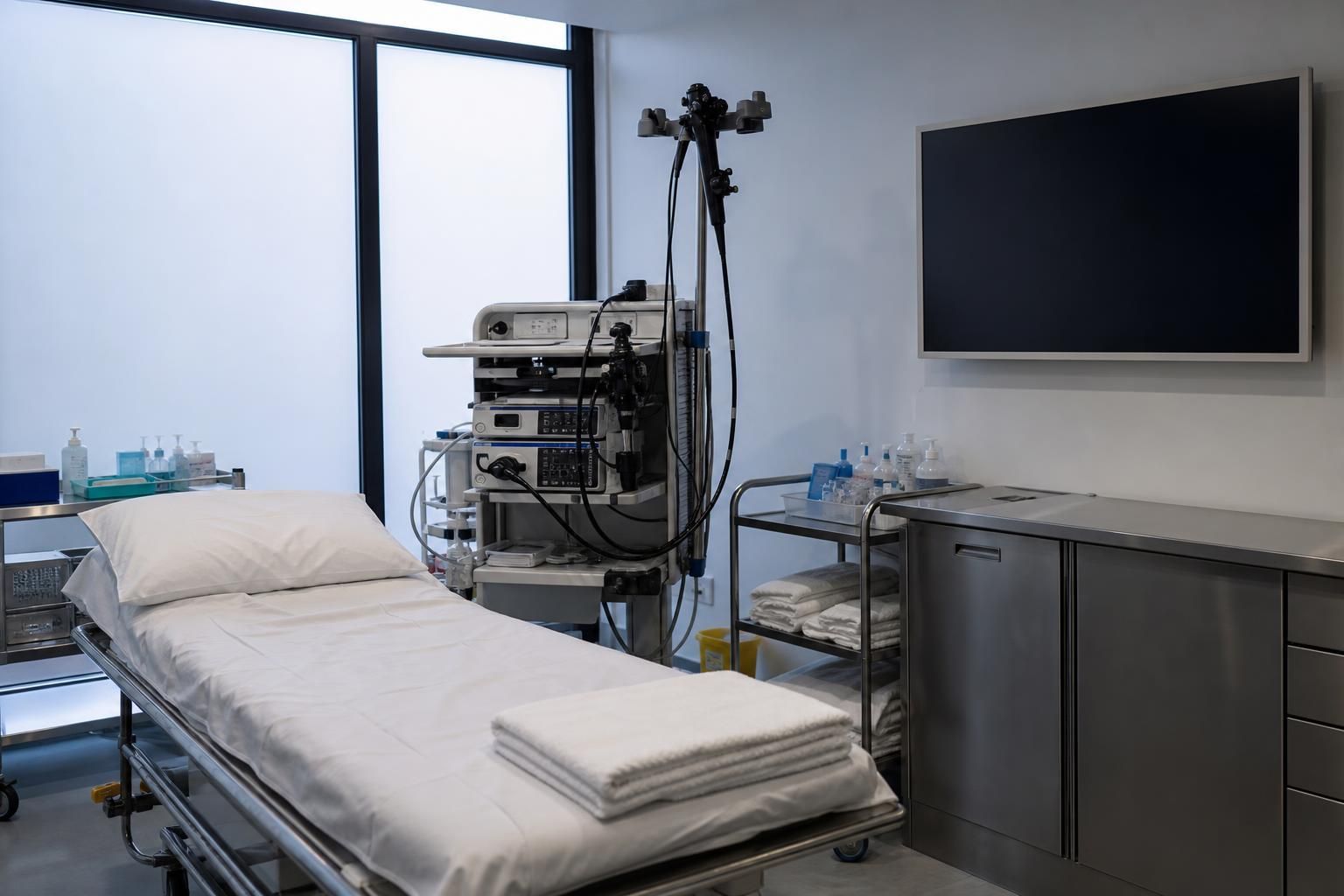
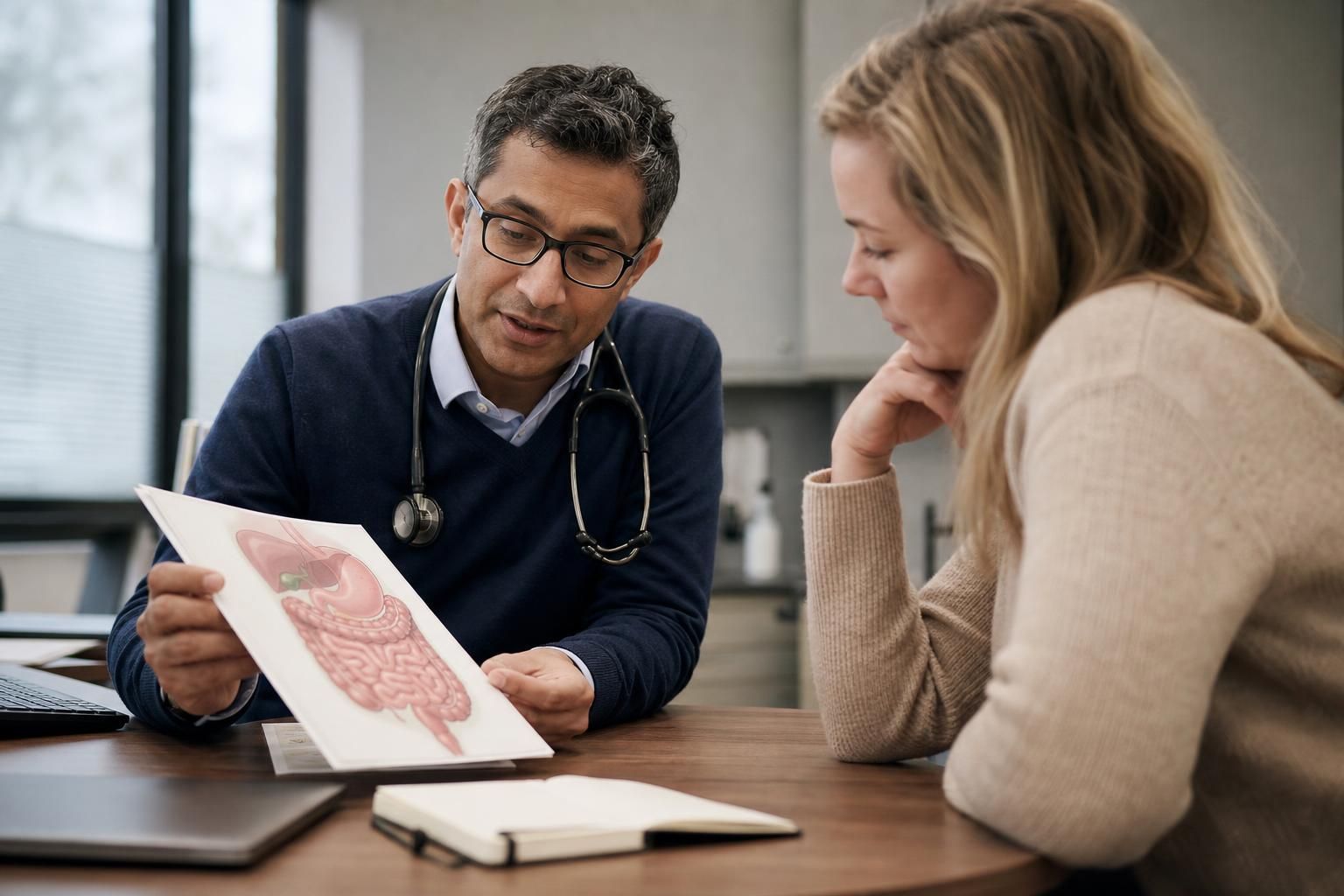
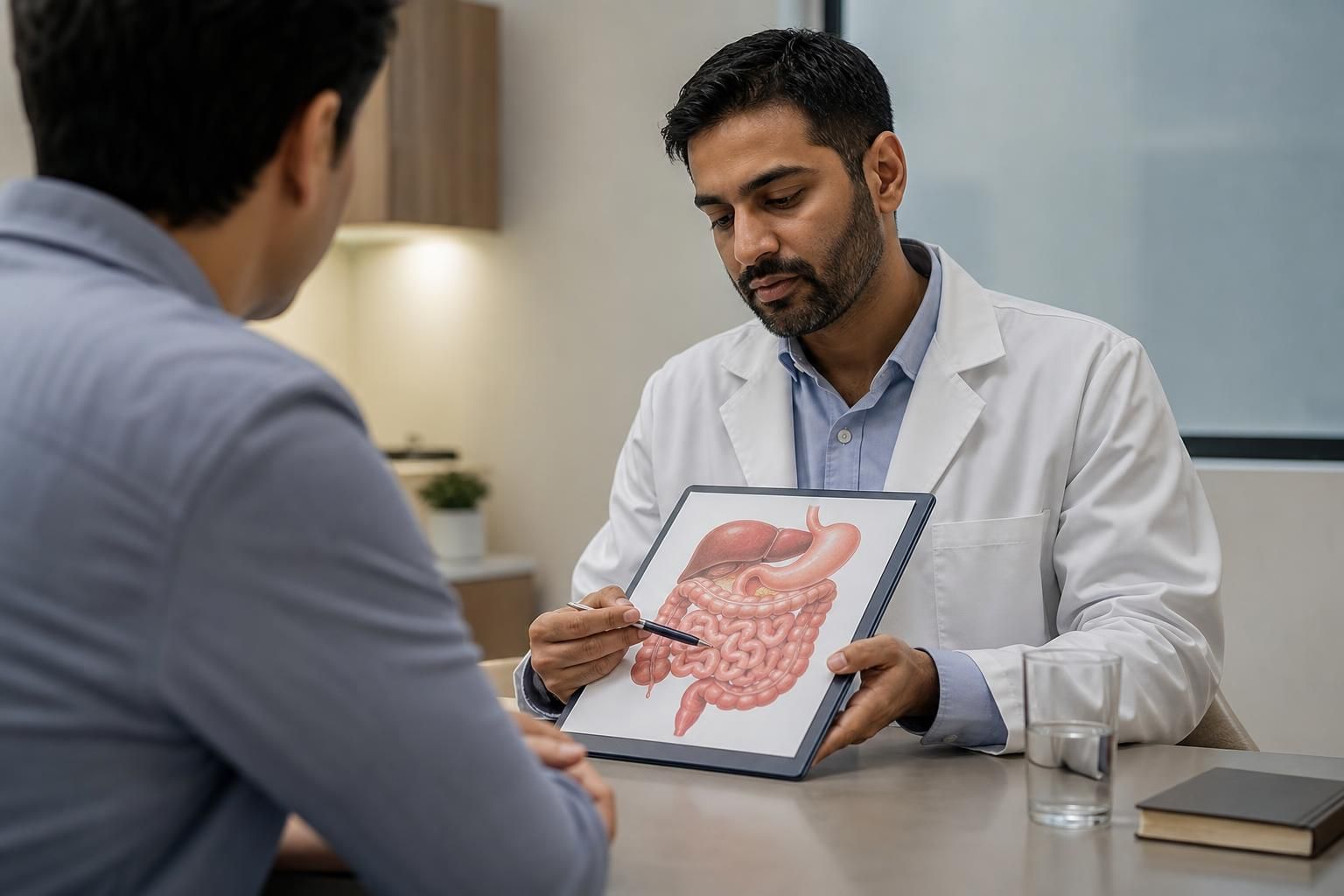
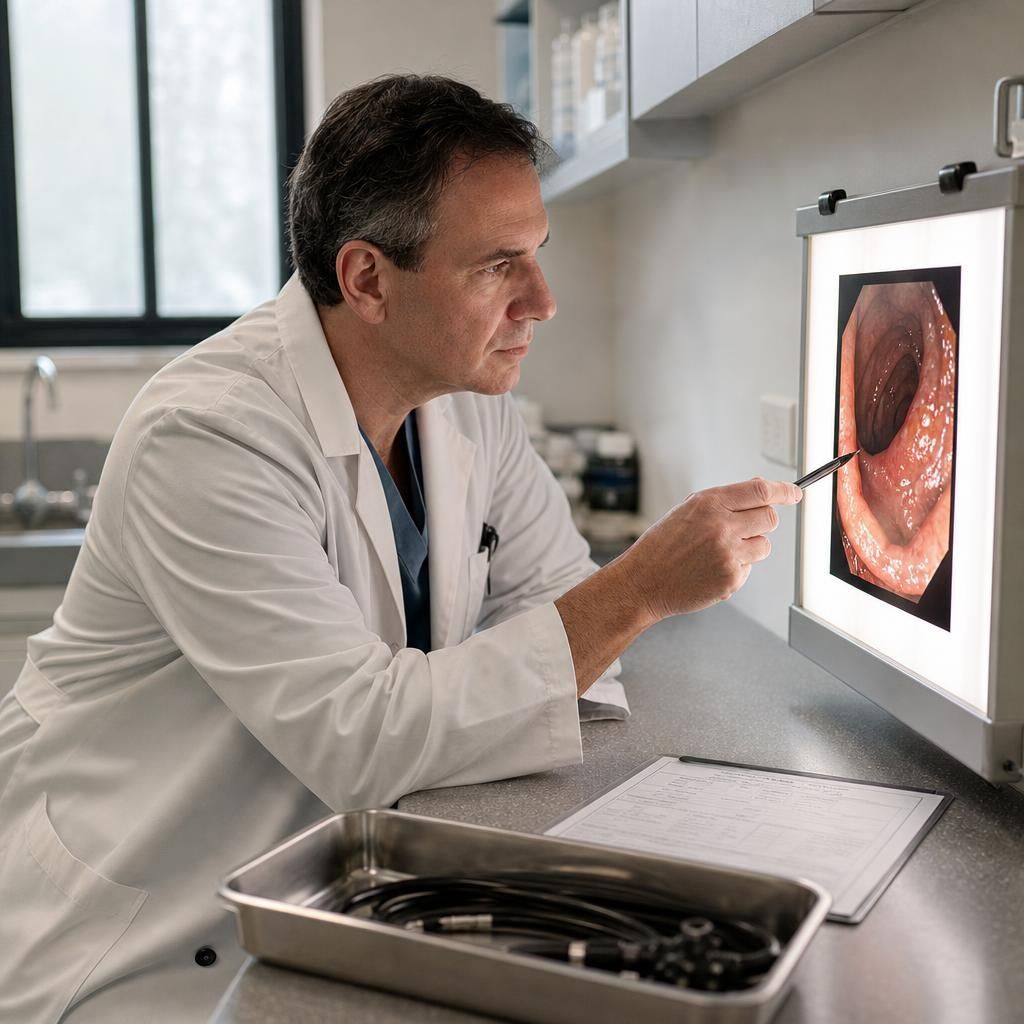
During private gastroscopy, a clinician passes a thin flexible tube through the mouth and into the oesophagus, stomach and duodenum. The camera sends live images to a screen, which helps the team spot irritation, ulcers, narrowing, bleeding, Barrett’s changes or other abnormalities. For many people, private gastroscopy offers faster access than standard routes and a more predictable appointment experience.
If you want broader specialist input before or after the procedure, a private gastroenterologist can help plan the right investigation pathway. In addition, some patients need related testing, such as coeliac disease testing or IBS testing, depending on their symptom pattern.
For a patient-friendly overview of how endoscopy is usually prepared for and performed, the Bupa gastroscopy guide is a useful reference. It reinforces the same core point: private gastroscopy is a practical diagnostic test, not a treatment itself, and it is chosen when symptoms need a direct visual check.
For a short overview of how a consultant-led private endoscopy service works, watch this video from UCLH Private Healthcare.
How does private gastroscopy work?
Private gastroscopy works by combining visual inspection with targeted sampling when needed. The camera helps the clinician see the lining of the upper gut in real time, while biopsy tools can collect tiny tissue samples if a closer look is required. As a result, the test can move symptoms from “uncertain” to “explained” much faster than repeat trial-and-error treatment.
Symptoms a private gastroscopy can investigate
Private gastroscopy is most useful when symptoms point to the upper digestive tract. It is especially relevant if reflux medicine has not helped, or if symptoms are getting worse.
Common reasons to book private gastroscopy include:
- Persistent heartburn or acid reflux
- Pain or burning in the upper abdomen
- Difficulty swallowing or food sticking
- Ongoing nausea or vomiting
- Unexplained indigestion or bloating after meals
- Suspected bleeding, such as black stools or vomiting blood
- Anaemia with possible upper gut causes
The test can also be part of a wider assessment with a digestive system specialist. That matters because symptoms can overlap. For example, reflux, ulcer disease, coeliac disease and gallbladder-related pain can feel similar at first.
If your symptoms are mainly bowel-related rather than upper-gut related, another pathway may be better. For example, colon cancer screening and testing may be more appropriate for lower bowel symptoms, rectal bleeding or changes in bowel habit. Similarly, a clinician may suggest chronic constipation assessment or inflammatory bowel testing if the pattern points elsewhere.
The key point is simple. Private gastroscopy is not for every digestive symptom, but it is one of the best tests for upper-gut complaints that need direct inspection.
To see a clear patient explanation of the procedure itself, Cancer Research UK also offers a helpful gastroscopy video that many people find reassuring before booking.
When private gastroscopy is more urgent
Private gastroscopy becomes more important when symptoms are persistent, progressive or accompanied by warning signs. Swallowing difficulty, unexplained weight loss, vomiting blood, black stools or new symptoms in older adults should never be ignored. In those cases, prompt assessment matters more than trying repeated medication changes alone.
Conditions that may be detected during private gastroscopy
Private gastroscopy can help identify several common and important conditions. It does not diagnose everything, but it gives direct visual evidence that many other tests cannot provide.
Possible findings include gastritis, oesophagitis, peptic ulcers, a hiatus hernia, Barrett’s oesophagus, visible bleeding, polyps, narrowing or signs of infection. In some cases, the test looks normal, which is still useful because it helps rule out structural causes and directs the next step.
This is one reason private gastroscopy is often recommended alongside a consultant review. A clinician can interpret the findings in the context of your symptoms and decide whether you need medication, biopsy follow-up or a different investigation. If there is concern about inherited or cancer-related digestive risk, you may also be guided towards private cancer screening or related diagnostic pathways.
If you are seeking help for bowel conditions that sit outside the upper gut, the same hospital also offers tests for conditions such as Crohn’s disease and coeliac disease. That makes it easier to choose the right investigation rather than guessing.
A gastroscopy is therefore more than a camera test. In the right patient, private gastroscopy can quickly separate inflammation, ulcer disease and reflux-related injury from symptoms that need another explanation.
How to prepare for private gastroscopy
Preparation for private gastroscopy is usually straightforward, but following the instructions matters. The stomach must be empty so the camera has a clear view and the test stays safe.
Most patients are asked not to eat for several hours before the appointment. Clear drink rules may also apply, and the team will tell you exactly what is allowed. You should also share a full medication list, especially if you take blood thinners, diabetes medicines or regular iron tablets.
On the day, wear comfortable clothing and arrange someone to take you home if sedation is planned. If you are unsure whether your appointment is self-pay or consultant-referred, the booking team can explain the pathway. You can also check how to get an endoscopy appointment privately if you want to understand the process first.
The private gastroscopy in London guide and the gastroscopy preparation overview both stress the same practical point: good preparation improves comfort and test quality. That is especially true for private gastroscopy, where patients often want a smooth same-day experience with minimal disruption.
If you are a self-pay patient, it also helps to ask in advance what is included. Some people want consultation, procedure, biopsies and follow-up explained clearly before they book.
Sedation and throat spray during private gastroscopy
Private gastroscopy can be done with throat spray alone, sedation alone or both, depending on clinical advice and patient preference. The aim is to keep you safe, comfortable and able to complete the test.
Throat spray numbs the back of the throat. It helps reduce the gag reflex and allows many patients to stay awake throughout the procedure. Sedation can make the experience feel easier and less memorable, but it usually means you need someone to escort you home and avoid driving afterwards.
The right choice depends on your symptoms, anxiety level and medical history. Some people prefer minimal medication so they can leave sooner. Others choose sedation because they want private gastroscopy to feel as calm as possible.
This is also where consultant-led care helps. A specialist can explain the trade-offs clearly before the test starts. If you want the broader service model, our private endoscopy near me page gives context on fast-access appointments for Essex patients.
The most important point is that private gastroscopy is usually well tolerated. Most discomfort comes from swallowing the scope, not from pain inside the stomach itself.
Biopsy and results after private gastroscopy
Biopsy is common during private gastroscopy when the clinician sees an area that needs closer analysis. It is also used when symptoms suggest inflammation, infection or coeliac-type changes, even if the lining looks mostly normal.
A biopsy takes a tiny tissue sample. It does not usually change the procedure experience much, but it can make the result far more informative. That is important because a normal-looking stomach can still hide microscopic inflammation or other changes.
You may receive an immediate verbal summary after the procedure. However, biopsy results can take longer because laboratory analysis is needed. Your team will tell you what to expect and whether you need a follow-up appointment.
For patients with broader digestive concerns, biopsy results can guide the next step into services such as Crohn’s disease testing or related specialist review. That is another reason private gastroscopy is valuable: it can start the diagnostic pathway quickly and accurately.
If you are considering a self-pay route, it is sensible to ask whether the price includes biopsies or whether these are charged separately. The answer should be clear before booking private gastroscopy.
Recovery after private gastroscopy
Recovery after private gastroscopy is usually quick. Most people go home the same day and resume light activity once the throat numbness or sedation has worn off.
A sore throat, mild bloating or temporary drowsiness are common short-term effects. These usually settle without treatment. If sedation was used, you should rest, avoid alcohol and not drive until the team says it is safe.
You can usually eat and drink again once the throat feels normal, unless your clinician gives different instructions. If biopsies were taken, your team may advise you to watch for any unusual bleeding or worsening pain, although significant problems are uncommon.
Private gastroscopy is designed to be efficient, but follow-up matters just as much as the test itself. Make sure you understand who will explain the findings, when results will arrive and what the next step is if treatment is needed. That might mean medication, further investigation or a referral to another digestive service.
Many patients choose private gastroscopy because they want a clear answer and a clear plan. Recovery is part of that experience, and it is usually simple when the procedure is properly prepared and performed.
Private gastroscopy cost: what self-pay patients should ask
Private gastroscopy costs vary because different providers include different things. The price may cover consultation, the procedure, sedation, biopsy handling and follow-up, or some of those items may be separate.
The best question is not only “how much does a private gastroscopy cost?” but also “what is included?”. That helps you compare like for like and avoid surprises. If you want a transparent overview of the self-pay pathway, start with private gastroscopy self pay details and then check our broader pay private for an endoscopy guide.
Some patients also compare endoscopy pricing with other private services, such as private endoscopy cost information, because the overall pathway can change depending on whether they need gastroscopy only or a wider digestive work-up.
Therefore, when you ask about cost, check these points:
- Is the initial consultation included?
- Is sedation included?
- Are biopsies included if needed?
- Are results or follow-up appointments included?
- Is there a separate fee for consultant review?
Private gastroscopy can be a practical self-pay choice when speed, clarity and consultant-led care matter more than waiting.
Book a self-pay private gastroscopy
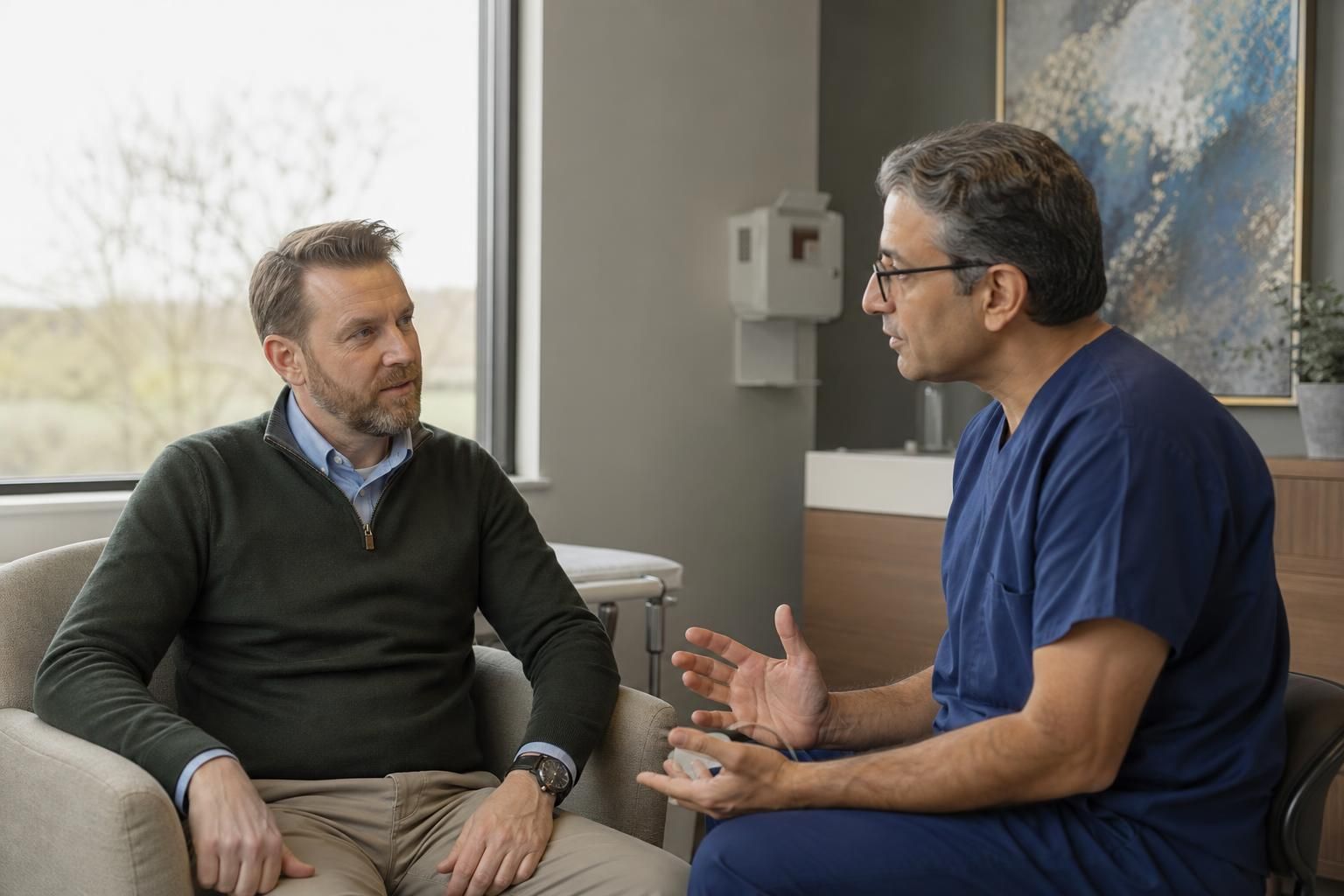
If you have ongoing reflux, pain or swallowing symptoms, private gastroscopy can be the fastest way to get answers. It is especially useful when you want consultant-led assessment, a clear explanation of the procedure and a simple self-pay route.
You can start with our private endoscopy services or speak with a specialist through private gastroenterologist consultations. If you are comparing digestive pathways, that conversation can also help you decide whether gastroscopy, colon testing or another investigation is the better fit.
Private gastroscopy is not just about seeing inside the stomach. It is about turning symptoms into a diagnosis and then into a plan. For many adults in Leigh-on-Sea, Essex, London and surrounding areas, that speed and certainty are the main reasons to book.
Key Takeaways
- Private gastroscopy is a self-pay camera test for reflux, pain and swallowing symptoms.
- It can detect inflammation, ulcers, Barrett’s changes, bleeding and other upper-gut problems.
- Preparation is usually simple, but fasting instructions and medication checks matter.
- Sedation, throat spray and biopsy options should be explained before booking.
- Cost comparisons should focus on what is included, not price alone.
Frequently Asked Questions
How much does a private gastroscopy cost?
Private gastroscopy costs depend on what is included in the pathway. Some quotes cover only the procedure, while others include consultation, sedation, biopsies and follow-up. The safest approach is to ask for a full self-pay breakdown before booking, so you can compare prices on a like-for-like basis.
How risky is a gastroscopy?
Gastroscopy is generally considered a low-risk procedure when it is performed by an experienced team. Temporary sore throat, bloating or drowsiness are more common than serious problems. However, like any medical test, it can have risks, especially if sedation or biopsy is involved, so the team should explain these before your private gastroscopy.
Can you see a gastroenterologist privately?
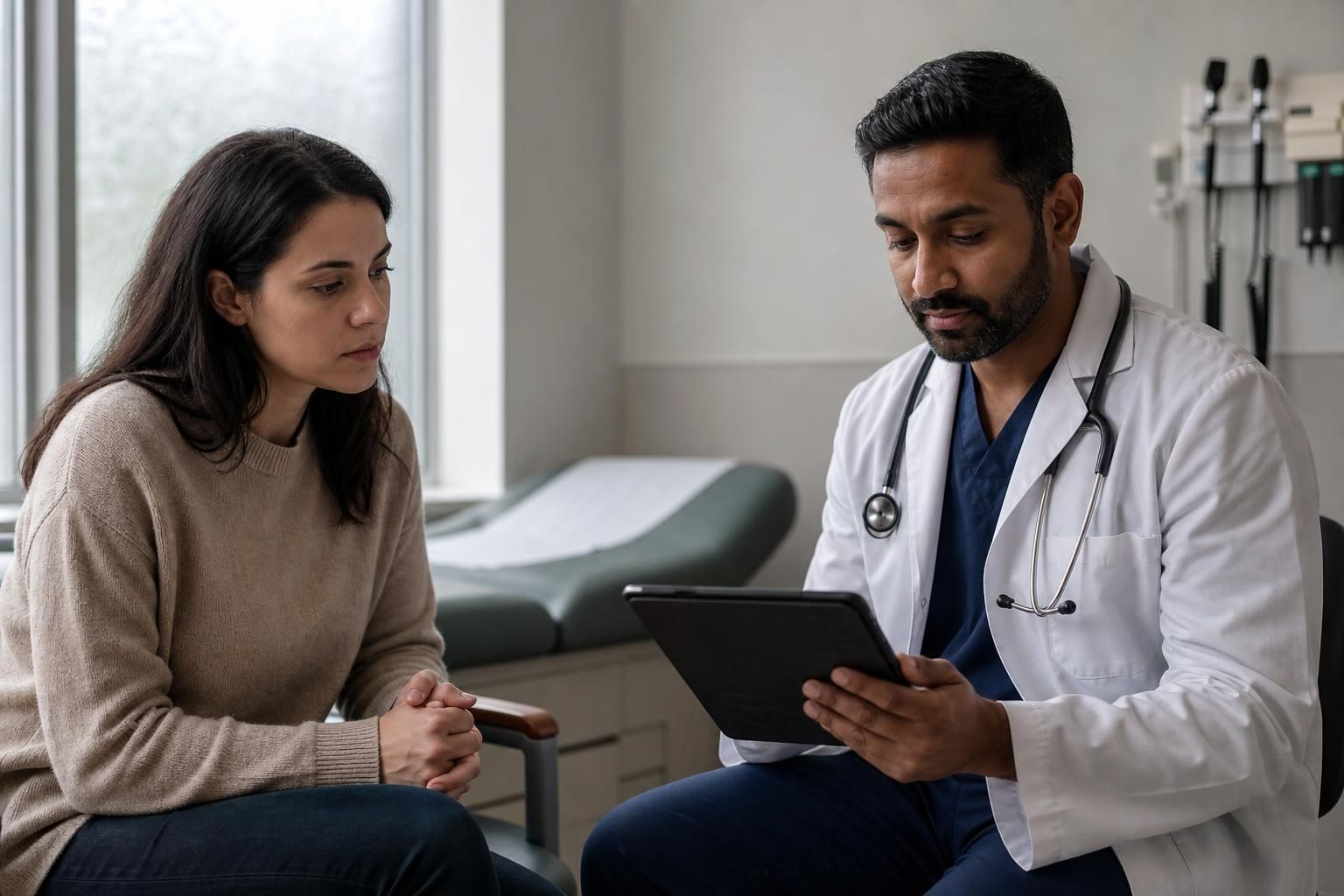
Yes, you can see a gastroenterologist privately and often without a long wait. A private consultation is useful if you want a fast assessment, a tailored investigation plan and access to tests such as private gastroscopy, biopsy or related digestive screening.
What can I have instead of a gastroscopy?
Sometimes another test is better, depending on your symptoms. For lower bowel symptoms, colon tests may be more appropriate, while some patients may need blood tests, stool tests, imaging or a consultant review first. However, if the concern is reflux, pain in the upper abdomen or swallowing difficulty, private gastroscopy is often the most direct test.