Crohn's Disease Test: How Crohn's Is Diagnosed and When to Seek Help
Quick Answer
A Crohn's disease test is not one single scan or blood test. Doctors usually combine symptom review, blood tests, stool tests, colonoscopy or gastroscopy, imaging, and biopsy results to confirm Crohn's disease and rule out other causes of bowel symptoms.
A Crohn's disease test is really a diagnostic pathway, not one stand-alone test. Doctors use symptoms, blood work, stool analysis, endoscopy, imaging, and biopsy results together to understand what is happening in the bowel. That matters because Crohn's disease can look like IBS, coeliac disease, infection, or other inflammatory bowel conditions. If you are waiting for answers, a private consultation can help you move faster through the right investigations. At The Chartwell Private Hospital, patients can access specialist review, private gastroenterologist appointments, and bowel investigations in a setting focused on clarity and speed. This guide explains how a Crohn's disease test works, what each investigation shows, and when symptoms need prompt medical attention.
Can one Crohn's disease test diagnose Crohn's disease?
No, one Crohn's disease test can confirm Crohn's disease on its own. Diagnosis usually comes from several findings that fit together, including symptoms, blood tests, stool tests, endoscopy, imaging, and biopsy results. That is why the process can take time, especially when symptoms overlap with other digestive conditions.
In practice, the goal is twofold. First, the clinician looks for signs of inflammation in the bowel. Second, they rule out infections, coeliac disease, IBS, and other causes of abdominal pain or altered bowel habits. The National Institute of Diabetes and Digestive and Kidney Diseases explains that doctors often use blood tests, stool tests, endoscopy, and imaging to help diagnose Crohn's disease, rather than relying on a single result. You can read that overview in the NIDDK guide to Crohn's disease diagnosis.
This matters for patients seeking a private Crohn's disease test, because a focused pathway can shorten delays. At Chartwell, a specialist may recommend the next investigation based on your symptoms and initial results. If bowel symptoms are also raising broader concern, our colon cancer screening and testing page explains related investigation options. In some patients, the most useful result is not a single label, but a clear answer about whether inflammation is present and where it is located.
A Crohn's disease test also helps define severity. For example, the bowel may look inflamed on colonoscopy, but only biopsy can confirm the pattern. Similarly, blood tests may suggest inflammation, while imaging shows whether the small bowel is involved. Therefore, diagnosis is a step-by-step process, not a guess.
How doctors build the diagnosis
Doctors usually start with your symptoms and medical history. Then they choose tests that can show inflammation, infection, or structural changes in the bowel. This approach reduces the chance of missing Crohn's disease or confusing it with another problem.
If symptoms are persistent, a consultant may combine laboratory work with an endoscopic exam. That combination gives the clearest picture of bowel inflammation and tissue changes.
What symptoms can point to Crohn's disease?
Crohn's disease often causes a pattern of ongoing bowel and general symptoms, but the exact picture varies from person to person. Common signs include diarrhoea, abdominal pain, weight loss, fatigue, and urgent trips to the toilet. Blood in the stool, mouth ulcers, fever, and reduced appetite can also occur.
If you are wondering what are 5 symptoms of Crohn's disease, the most common are diarrhoea, abdominal pain, weight loss, tiredness, and blood in the stool. However, not everyone has all five. Some people have mild symptoms for a long time before they seek help. Others develop more obvious flare-ups.
The Crohn's & Colitis UK symptom checker can help you think through warning signs, but it does not replace a medical assessment. A clinician still needs to decide whether your symptoms fit a Crohn's disease test pathway.
If symptoms are affecting daily life, do not wait for them to become severe. Recurrent abdominal pain, ongoing diarrhoea, or unexplained weight loss should prompt review. In addition, persistent bowel symptoms can overlap with IBS, coeliac disease, and bowel cancer, so testing has value even when you are not sure what the cause is. A careful Crohn's disease test can clarify that picture and guide treatment sooner.
When symptoms need urgent assessment
Seek prompt help if you have severe pain, signs of dehydration, black or bloody stool, persistent fever, or rapid weight loss. These symptoms may suggest active inflammation or another condition that needs urgent review.
A private gastroenterology service can be useful when symptoms are persistent but not an emergency, because it may speed up the diagnostic process.
Blood tests and stool tests in a Crohn's disease test
Blood tests and stool tests are often the first part of a Crohn's disease test. They do not diagnose Crohn's disease on their own, but they help show whether inflammation is present and whether another cause is more likely.
Blood tests may include markers of inflammation, checks for anaemia, and tests that assess nutrition. A clinician may also look for signs of infection or dehydration. These results can support the case for further investigation, especially if symptoms have been present for a while.
Stool tests are equally important. They help rule out infection and may detect inflammation in the bowel. In many gastroenterology pathways, stool testing is one of the fastest ways to decide whether symptoms need endoscopy or imaging next. For patients comparing digestive investigations, our Irritable Bowel Syndrome Test London page is also useful, because IBS and Crohn's disease can look similar at first.
The practical value of these tests is simple: they narrow the field. If blood and stool results suggest inflammation, the next Crohn's disease test step is often colonoscopy, gastroscopy, or imaging. If they do not suggest inflammation, the clinician may look more closely at functional bowel symptoms, coeliac disease, or another explanation.
Video guidance can also help patients understand the pathway. This short overview explains how blood and stool tests fit into Crohn's assessment:
What stool tests can show
Stool tests can help identify infection and bowel inflammation. They are especially useful when diarrhoea is the main symptom, because infection must be excluded before Crohn's disease is diagnosed.
A stool test is often one of the first practical steps because it is non-invasive and can quickly inform the next stage of the Crohn's disease test.
How does a Crohn's disease test use colonoscopy and biopsy?
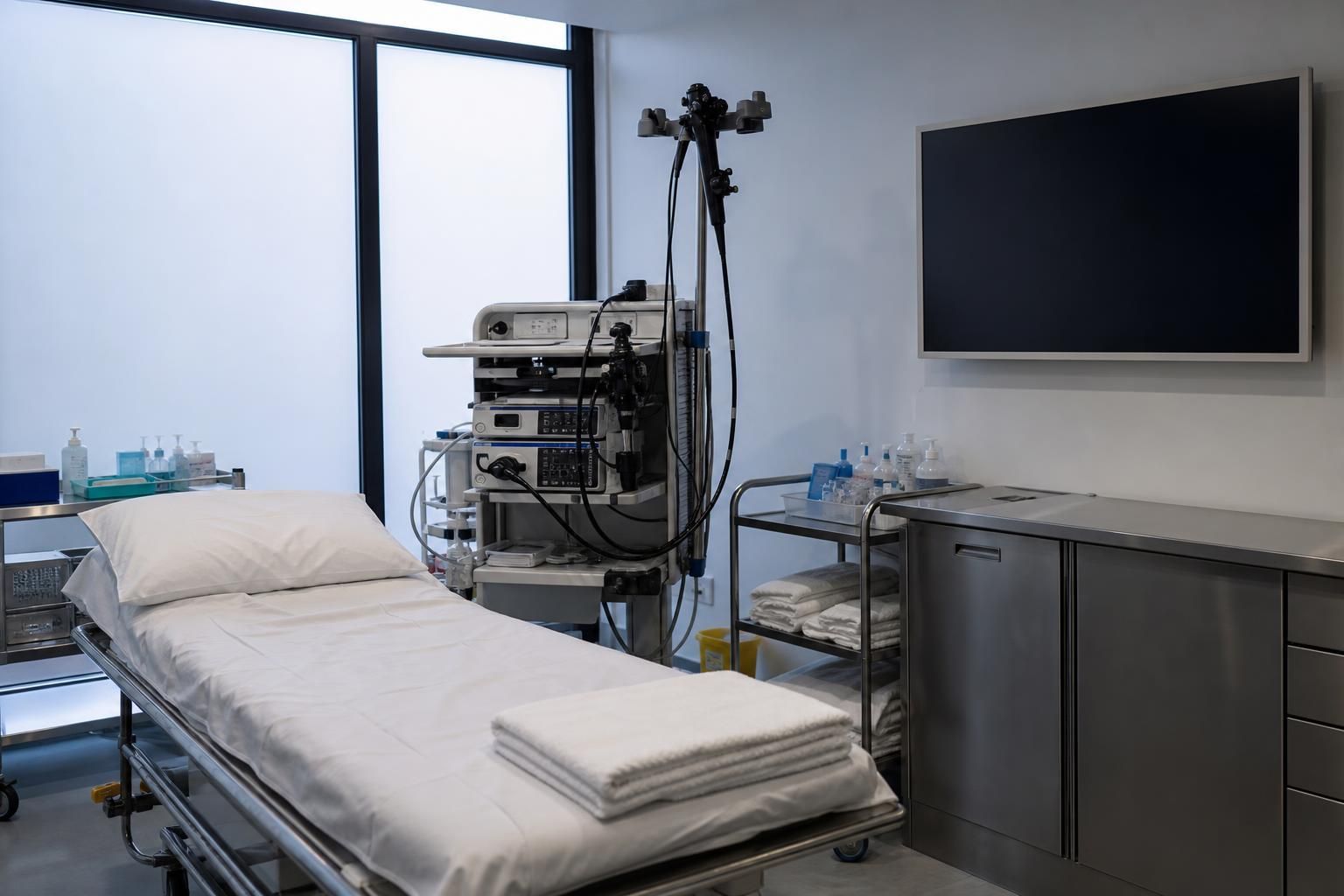
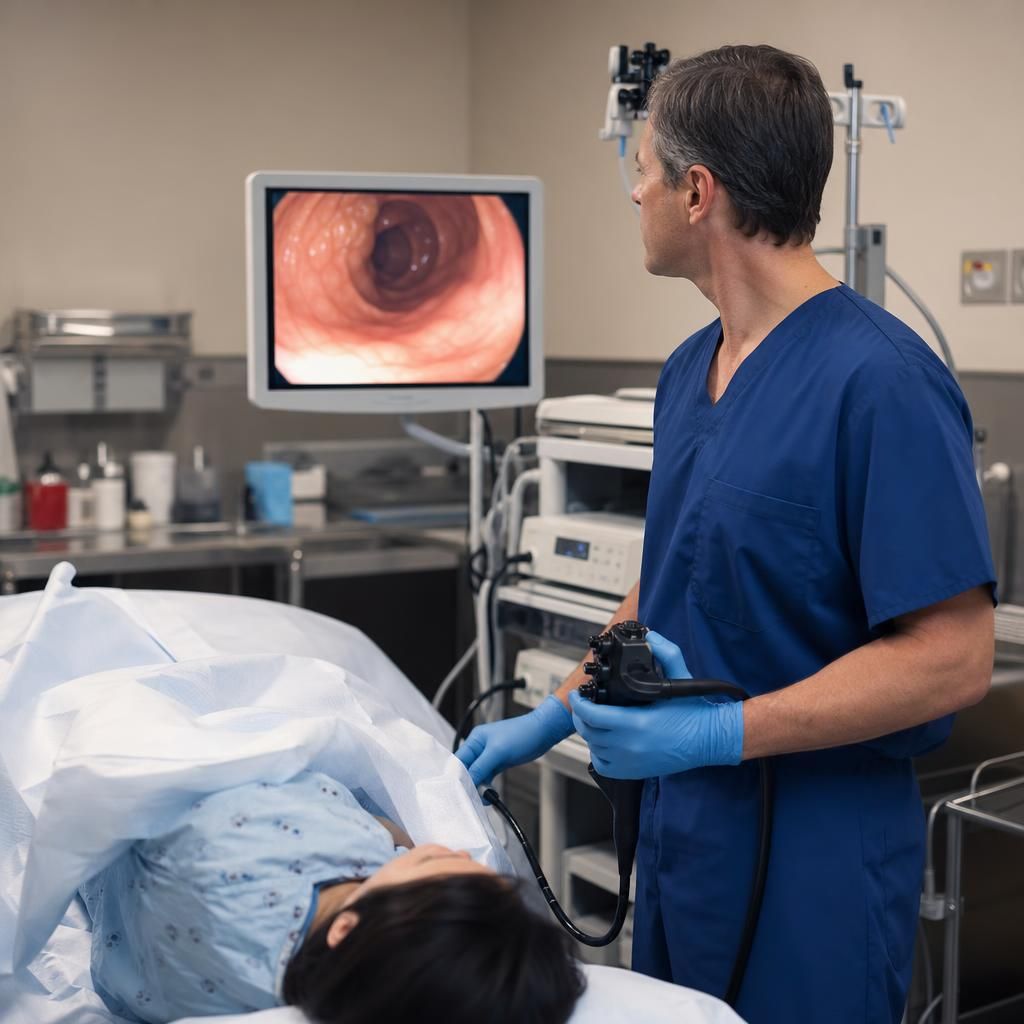
Colonoscopy is one of the most important parts of a Crohn's disease test. It allows the doctor to inspect the large bowel and the end of the small bowel directly, then take tissue samples if needed. Biopsy is what helps confirm the type of inflammation seen on the screen.
This is why colonoscopy is often central when symptoms suggest inflammatory bowel disease. It can show ulcers, redness, swelling, strictures, or patchy areas of disease. The biopsy then helps distinguish Crohn's disease from other causes of inflammation. The Mayo Clinic Crohn's diagnosis and treatment guide notes that doctors may use colonoscopy with biopsy, along with imaging and lab tests, to make the diagnosis.
At Chartwell, this pathway may be discussed during a specialist review, especially if you are also considering private colonoscopy in Essex. The advantage of a private route is often speed and continuity. You can move from consultation to investigation without unnecessary delay.
A biopsy is especially valuable because Crohn's disease can be patchy. The bowel may not look the same everywhere. Taking samples from multiple areas gives the pathologist more information, which makes the Crohn's disease test more reliable.
If your clinician suspects cancer or another serious bowel condition, colonoscopy can also help identify those changes early. That is one reason many people present for investigation when symptoms are persistent rather than dramatic.
What biopsy adds to the diagnosis
Biopsy provides microscopic detail that visual inspection cannot. It can show inflammation patterns, tissue injury, and features that support Crohn's disease rather than another bowel disorder.
In short, colonoscopy shows the surface, while biopsy helps explain the cause.
Gastroscopy, capsule tests and imaging in Crohn's disease test pathways
A Crohn's disease test often extends beyond colonoscopy. If symptoms suggest upper digestive tract involvement or small-bowel disease, a doctor may recommend gastroscopy, capsule endoscopy, CT, or MRI imaging.
Gastroscopy looks at the oesophagus, stomach, and the start of the small bowel. It is useful when symptoms include nausea, upper abdominal pain, reflux, or unexplained weight loss. For patients who need a scope through the upper digestive tract, our self pay gastroscopy page explains the private pathway in more detail.
Imaging adds another layer. It can show bowel thickening, narrowing, fistulas, or inflammation beyond the reach of an endoscope. That matters because Crohn's disease can affect any part of the digestive tract. A clinician may choose imaging when small bowel involvement is suspected or when symptoms do not match the colonoscopy findings.
Some patients may also be offered capsule endoscopy. This involves swallowing a small capsule camera that takes images as it passes through the bowel. It can help assess areas that standard endoscopy cannot easily reach. However, it is not suitable for everyone, especially if narrowing is suspected.
The second video below gives a concise overview of how these procedures fit together in Crohn's diagnosis:
Together, these tests make the Crohn's disease test pathway more complete. One result alone may not be enough. But combined results can show the extent of disease and help guide next steps.
When imaging matters most
Imaging is especially useful when Crohn's disease may involve the small bowel or tissue outside the bowel wall. It can also help assess complications such as narrowing or fistulas.
That extra information can change treatment decisions, so imaging is often a key part of the Crohn's disease test process.
What conditions can mimic Crohn's disease?
Several conditions can look like Crohn's disease at first, which is why a thorough Crohn's disease test is so important. Common mimics include IBS, coeliac disease, infections, ulcerative colitis, diverticular disease, and sometimes bowel cancer.
IBS can cause abdominal pain, bloating, and diarrhoea, but it does not cause the same inflammatory findings on tests. Coeliac disease can also cause diarrhoea, weight loss, and low energy, which is why it is often considered early in the work-up. For patients whose symptoms overlap with gluten-related disease, the coeliac disease test London page may be relevant.
Infective causes are another major reason clinicians test before diagnosing Crohn's disease. A stool test can help separate short-term infection from long-term inflammatory disease. Meanwhile, bowel cancer screening and assessment may be considered when symptoms are persistent, unexplained, or accompanied by bleeding.
This diagnostic discipline protects patients from the wrong treatment. It also avoids missing another condition that needs a different approach. The Crohn's disease test is therefore as much about exclusion as confirmation. A good gastroenterology review does both.
When the picture is unclear, a private consultation may help you move from suspicion to action more quickly. It can also ensure the right tests are ordered in the right sequence.
Why symptom overlap matters
Many bowel conditions share the same warning signs. That is why self-diagnosis is unreliable and why a structured Crohn's disease test pathway is better.
The aim is not simply to find inflammation. It is to find the correct cause of the inflammation or symptoms.
When should you see a gastroenterologist for a Crohn's disease test?
You should see a gastroenterologist if bowel symptoms are persistent, recurring, or getting worse. A Crohn's disease test is especially appropriate when diarrhoea, abdominal pain, weight loss, rectal bleeding, or fatigue do not settle.
You should also seek review if you have a family history of inflammatory bowel disease, unexplained iron deficiency, or symptoms that keep returning after treatment for infection. The sooner the pattern is reviewed, the sooner the right tests can begin.
A private consultation can be helpful when you want faster access to assessment and investigations. At Chartwell, patients can speak with a digestive system specialist or a private gastroenterologist to discuss symptoms and plan the next step.
If bleeding is part of your symptom pattern, the clinician may also consider broader bowel assessment through our colon cancer screening and testing service. That does not mean cancer is likely. It means the symptom deserves proper investigation.
Do not wait for severe illness before asking for help. A Crohn's disease test is most useful when it is done early enough to guide treatment and reduce uncertainty.
What to bring to your consultation
Bring a clear symptom timeline, medication list, and any previous test results. Details about stool changes, pain location, weight loss, and triggers are also helpful.
Good preparation makes the Crohn's disease test pathway more efficient from the first appointment.
Private Crohn's disease testing at Chartwell
Private Crohn's disease testing at Chartwell is designed to move patients from concern to answers with minimal delay. The process usually begins with a specialist consultation, where symptoms, red flags, and previous investigations are reviewed in detail.
From there, the clinician decides which Crohn's disease test steps are most appropriate. That may include blood tests, stool tests, colonoscopy, gastroscopy, or imaging, depending on your symptoms. Because the pathway is tailored, you avoid unnecessary tests and focus on the most useful ones first.
Private assessment also helps when symptoms are affecting work, travel, or family life. Many people want to know whether they are dealing with Crohn's disease, IBS, coeliac disease, or another bowel problem. A structured private review can bring that into focus quickly.
If you are comparing services, the Crohn disease test page gives a direct overview of our diagnostic pathway. You can also start at the Chartwell Private Hospital homepage to explore related gastroenterology services.
Our approach is simple: assess symptoms carefully, choose the right Crohn's disease test, and explain the findings clearly. That makes it easier to decide on treatment, monitoring, or referral if needed.
Why private testing can feel easier
Many patients choose private care because they want quicker access and a clearer sequence of tests. Others want continuity with one consultant.
For a complex condition like Crohn's disease, that continuity can make the diagnostic process feel far less stressful.
What happens after a Crohn's disease test?
After a Crohn's disease test, the next step depends on what the results show. If Crohn's disease is confirmed, your gastroenterologist will explain the extent of disease and discuss treatment options, monitoring, and follow-up.
If the results do not show Crohn's disease, that is still useful. It may point towards IBS, coeliac disease, infection, or another explanation. In that case, your clinician can recommend the most sensible next step instead of guessing.
Sometimes more than one test is needed before the picture is clear. That is normal. Crohn's disease can be patchy, and early disease may not be obvious on one study alone. Therefore, follow-up is part of the diagnostic process, not an afterthought.
For some patients, the key question is whether they can live well with the condition. The answer is yes, many people do. Crohn's disease is usually a long-term condition, but symptoms can often be managed with the right plan, specialist support, and regular review. The goal of the Crohn's disease test is to make that plan accurate from the start.
If you want a fuller understanding of related digestive investigations, you may also find our service pages for private gastroenterology and bowel assessment helpful while you wait for results.
Is there a cure for Crohn's disease?
No, there is not currently a cure for Crohn's disease. However, many people manage it well with treatment, monitoring, and lifestyle support.
That is why an accurate Crohn's disease test matters: it sets up the right long-term plan.
FAQs about Crohn's disease test
These answers cover the most common questions patients ask when they are exploring a Crohn's disease test.
How do doctors test for Crohn's disease?
Doctors usually test for Crohn's disease with a combination of blood tests, stool tests, endoscopy, colonoscopy, imaging, and biopsy. No single Crohn's disease test is enough on its own.
The reason is simple: Crohn's disease can affect different parts of the bowel in different ways. The combination of results gives the most reliable diagnosis.
Can you live a healthy life with Crohn's?
Yes, many people live a healthy life with Crohn's disease. The condition is chronic, but it can often be controlled with the right treatment and follow-up.
A timely Crohn's disease test helps because it allows treatment to start sooner and reduces the risk of ongoing inflammation.
What is the best first test for Crohn's disease?
There is no single best first test for everyone. Blood and stool tests are often used early, because they can show inflammation and rule out infection.
If those results suggest Crohn's disease, the next Crohn's disease test is often colonoscopy, gastroscopy, or imaging.
What should I do if I keep having bowel symptoms?
Book a specialist review if symptoms persist, recur, or disrupt your life. Ongoing diarrhoea, pain, bleeding, or weight loss should not be ignored.
A Crohn's disease test can help identify the cause and stop you cycling through incomplete answers.
Key Takeaways
- A Crohn's disease test is a pathway, not one single test.
- Blood tests, stool tests, endoscopy, imaging, and biopsy are often used together.
- Crohn's disease can mimic IBS, coeliac disease, infection, and other bowel disorders.
- Private gastroenterology can help speed up assessment and clarify the next step.
- If symptoms persist, worsen, or include bleeding or weight loss, seek specialist review.