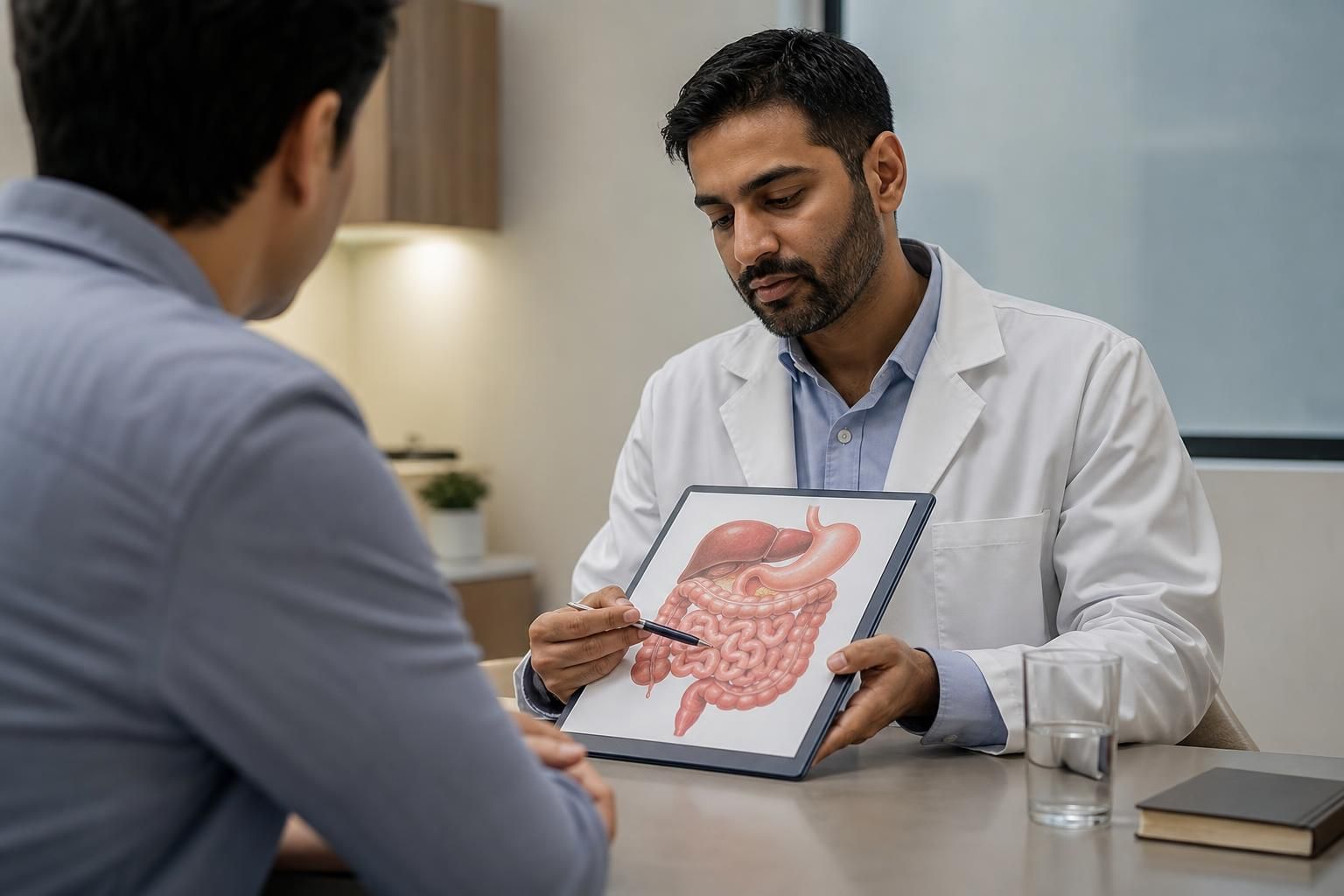
Endoscopy: What Is It, What Are The Risks & How Can I Prepare?
An endoscopy is a procedure in which your doctor uses specialised instruments to view and operate on the internal organs and vessels of your body. It allows surgeons to see problems within your body without making large incisions.
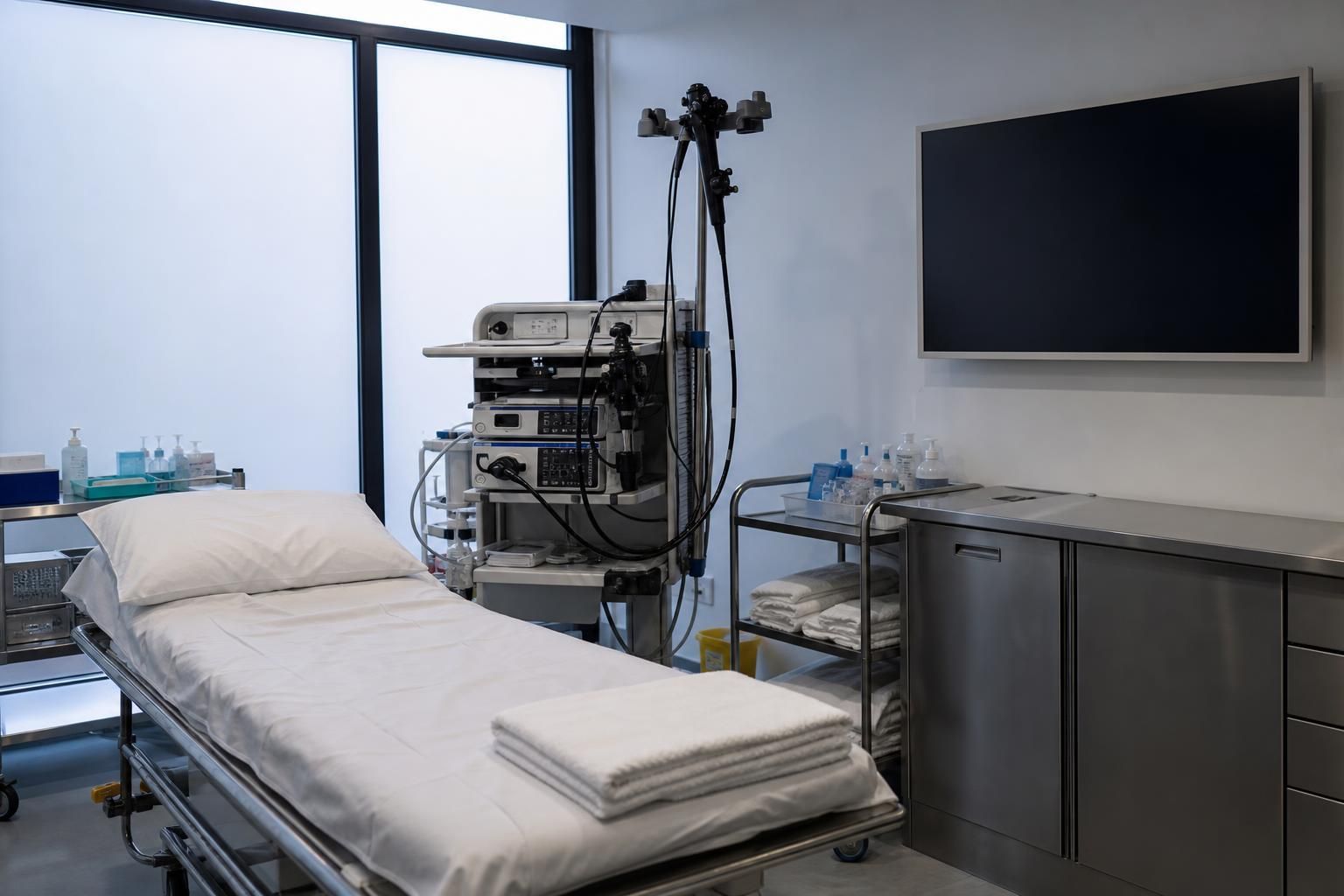
A surgeon inserts an endoscope through a small cut or an opening in the body such as the mouth. An endoscope is a flexible tube with an attached camera that allows your doctor to see. Your doctor can use forceps and scissors on the endoscope to operate or remove tissue for biopsy.
Why do I need an endoscopy?
Endoscopy allows your doctor to visually examine an organ without having to make a large incision. A screen in the operating room lets the doctor see exactly what the endoscope sees.
Endoscopy is typically used to:
- help your doctor determine the cause of any abnormal symptoms you’re having
- help your doctor see inside the body during a surgical procedure, such as repairing a stomach ulcer, or removing gallstones or tumours
- remove a small sample of tissue, which can then be sent to a lab for further testing; this is called an endoscopic biopsy
Your doctor may order an endoscopy if you’re having symptoms of any of the following conditions:
- blockage of the oesophagus
- blood in your urine
- chronic constipation
- gallstones
- gastroesophageal reflux disease (GERD)
- hiatal hernia
- infections
- inflammatory bowel diseases (IBD), such as ulcerative colitis (UC) and Crohn’s disease
- other digestive tract issues
- pancreatitis
- stomach ulcer
- tumours
- unexplained bleeding in the digestive tract
- unusual vaginal bleeding
Your doctor will review your symptoms, perform a physical examination, and possibly order some blood tests before an endoscopy. These tests will help your doctor gain a more accurate understanding of the possible cause of your symptoms. These tests may also help them determine if the problems can be treated without a procedure like an endoscopy or even surgery.
What are the types of endoscopy?
Endoscopies fall into categories, based on the area of the body that they investigate. Here is a list of endoscopy procedures your doctor may recommend based on the symptoms you’re experiencing:
| Type | Area examined | Where the scope is inserted |
|---|---|---|
| Arthroscopy | Joints | Through a small incision near the examined joint |
| Bronchoscopy | Lungs | Into the nose or mouth |
| Colonoscopy | Colon | Through the anus |
| Cystoscopy | Bladder | Through the urethra |
| Enteroscopy | Small intestine | Through the mouth or anus |
| Hysteroscopy | Inside of the uterus | Through the vagina |
| Laparoscopy | Abdominal or pelvic area | Through a small incision near the examined area |
| Laryngoscopy | Larynx | Through the mouth or nostril |
| Mediastinoscopy | Mediastinum (the area between the lungs) | Through an incision above the breastbone |
| Sigmoidoscopy | Rectum and the lower part of the large intestine (the sigmoid colon) | Into the anus |
| Thoracoscopy (also known as a pleuroscopy) | Area between the lungs and the chest wall | Through a small incision in the chest |
| Upper gastrointestinal endoscopy (also known as an oesophagogastroduodenoscopy) | Oesophagus and upper intestinal tract | Through the mouth |
| Ureteroscopy | Ureter | Through the urethra |
What are the risks of an endoscopy?
An endoscopy has a much lower risk of bleeding and infection than open surgery. However, as an endoscopy is a medical procedure, it still has some risk of bleeding, infection, and other rare complications such as:
- chest pain
- damage to your organs, including possible perforation
- fever
- persistent pain in the area of the endoscopy
- redness and swelling at the incision site
The risks for each complication depend on the location of the procedure and your condition.
For example, dark-coloured stools, vomiting, abdominal pains and difficulty swallowing after a colonoscopy could indicate that something has gone wrong. If you have a capsule endoscopy, there’s a small risk that the capsule can get stuck somewhere in the digestive tract. The risk is higher for people with a condition that causes narrowing of the digestive tract, like a tumour. In a case where the capsule gets stuck, it will need to be surgically removed – which again comes with its own risks and possible complications.
Ask your doctors about symptoms to look out for following your endoscopy.
How do I prepare for an endoscopy?
Your doctor will give you complete instructions on how to prepare. Most types of endoscopy require you to stop eating solid foods for up to 12 hours before the procedure. Some types of clear liquids, such as water, might be allowed for up to two hours before the procedure. Your doctor will make sure you understand what you need to do to prepare for an endoscopy.
Your doctor may give you laxatives or enemas to use the night before the procedure to clear your system. This is very common in procedures involving the gastrointestinal (GI) tract and the anus.
Prior to the endoscopy, your doctor will do a physical examination and go over your complete medical history, including prior surgeries you’ve had, any allergies, and any medication changes you’ve experienced recently. Be sure to tell your doctor about any medications you’re taking, including over-the-counter drugs and nutritional supplements. You may need to stop taking certain medications if they might affect bleeding, especially anticoagulant or antiplatelet drugs.
NOTE: You may want to plan for someone else to drive you home after the procedure because you might not feel well from the anaesthesia.
What happens after an endoscopy?
Most endoscopies are outpatient procedures which means you can go home the same day.
Your doctor will give you instructions on how to take care of yourself after the procedure. In the case your doctor needs to close incision wounds, they will do so with stitches and properly bandage them immediately after the procedure.
Afterwards, you’ll likely have to wait up to two hours in the hospital for the effects of the sedation to wear off. A friend or member of your family should drive you home or organise a safe way of getting home. Once you are home, you should plan to spend the remainder of the day resting.
Some procedures may leave you slightly uncomfortable and require some time to feel well enough to go about your normal day-to-day life. For example, following an upper GI endoscopy, you may have a sore throat and need to eat soft foods for a few days after the procedure.
NOTE: If your doctor suspects a cancerous growth, they’ll perform a biopsy during your endoscopy. The results will take a few days to come in, but your doctor will discuss the results with you after they come back from the laboratory.
How do I book a endoscopy procedure with The Chartwell Hospital?
With a referral
If you have a referral from your GP stating the procedure required, please send the referral to our patient care team HERE.
What if I don't have a referral?
The Chartwell Hospital offer virtual consultations with a highly qualified professionals, who can provide a diagnostic referral if required. We can support you by discussing your symptoms and recommending the best possible plan for your condition.
To book a FREE consultation with one of our team, please use our online booking form to arrange a date and time for a video consultation.