Colonoscopy vs. Upper Endoscopy: The Differences & What To Expect
To understand a colonoscopy versus an upper endoscopy, it's important to note their similarities and distinctions—such as roles in investigating similar symptoms and identifying and removing cancerous and pre-cancerous polyps, as well as the different regions of the digestive tract that are inspected by each.
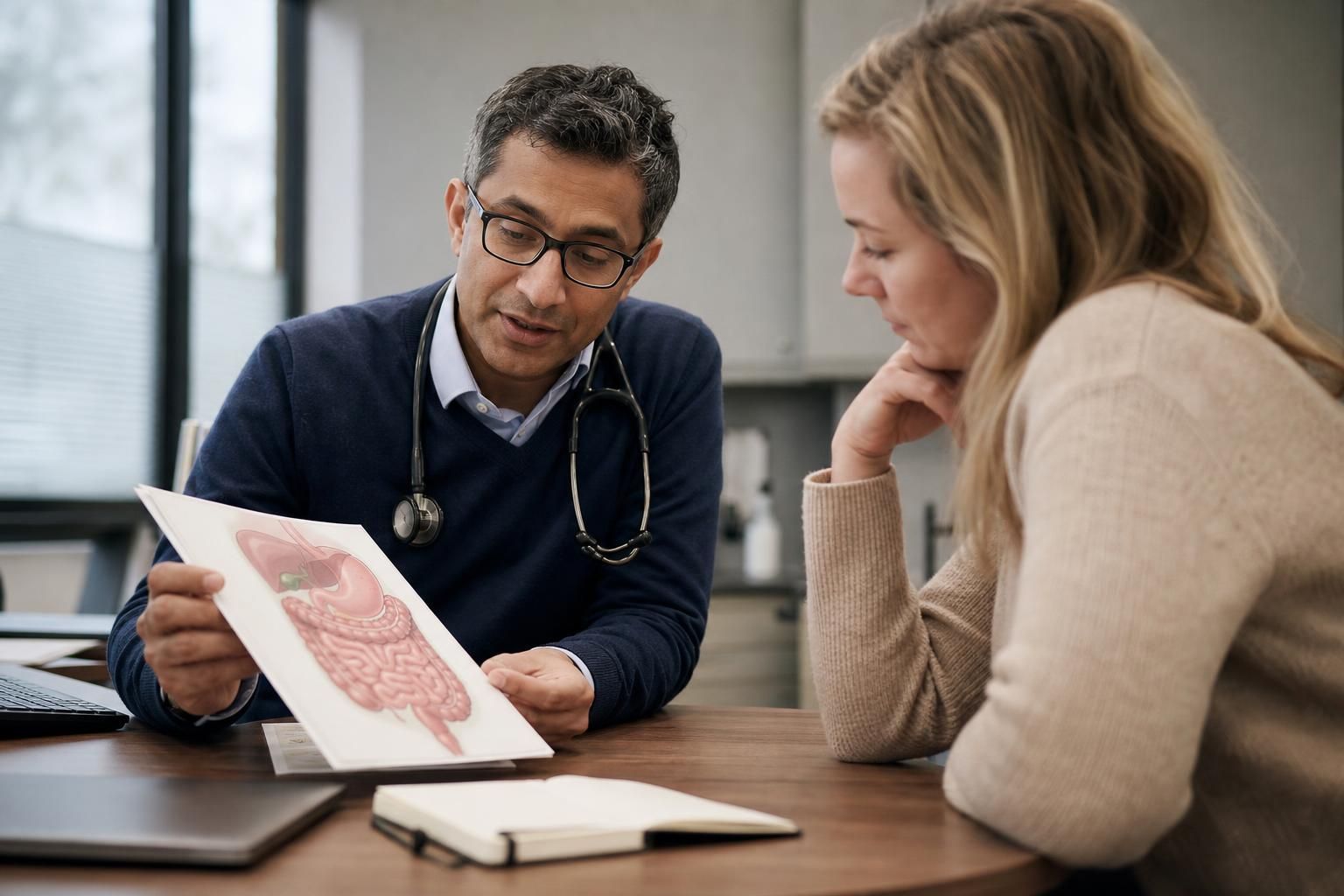
Both colonoscopy and upper endoscopy are common procedures performed frequently by gastroenterologists to view and examine various areas of your digestive tract. Colonoscopies inspect the large intestine (colon and rectum) while upper endoscopies observe the oesophagus, stomach, and first part of the small intestine.
Colonoscopies and upper endoscopies are utilised to:
- Diagnose Gastrointestinal Diseases & Disorders
- Extract Polyps, Foreign Objects
- Investigate Symptoms
- Obtain Tissue Samples for Biopsy
- Screen for Cancers
What To Expect: Colonoscopy
When To Get A Colonoscopy
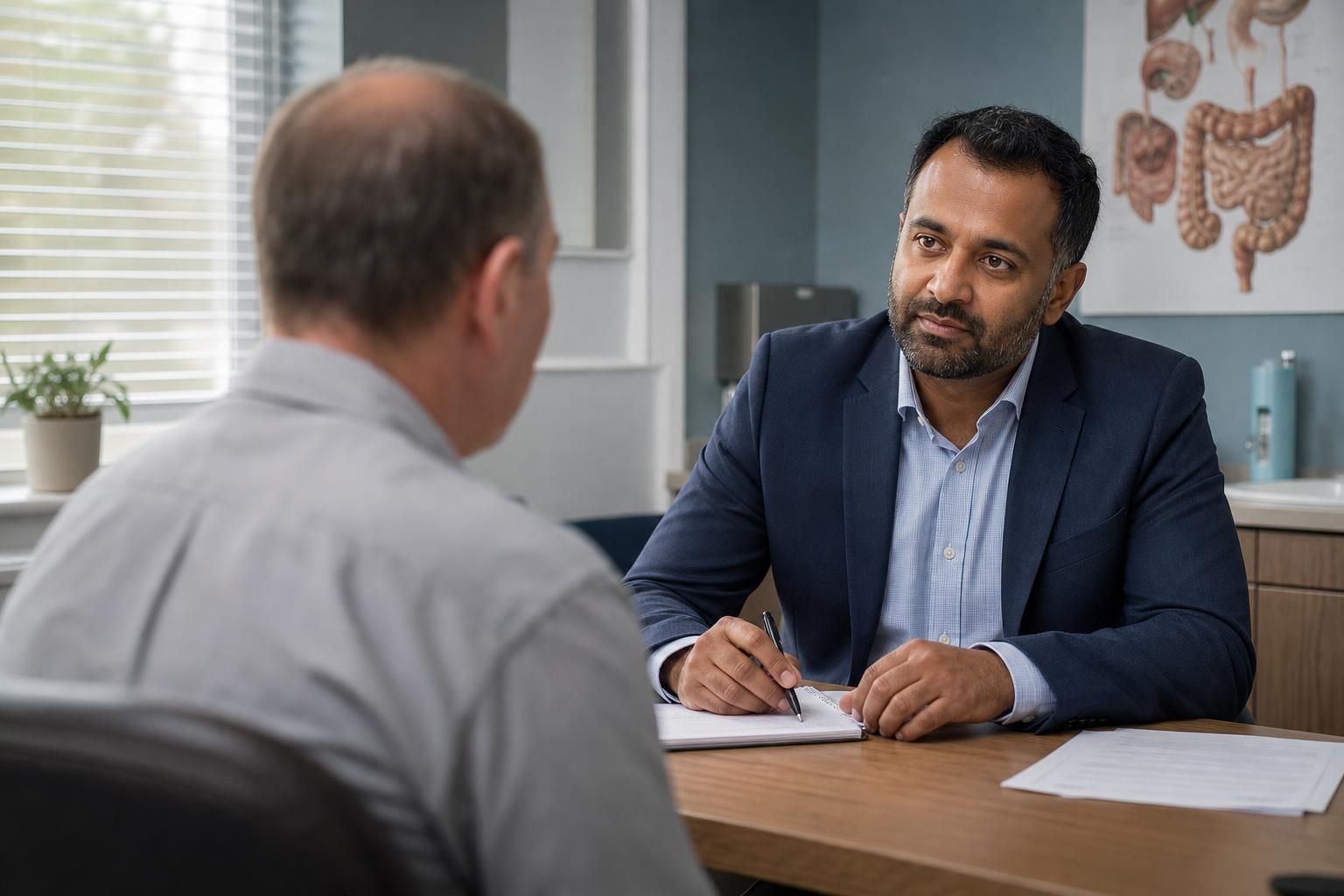
It is highly recommended that you have a conversation with your GP and/or a gastroenterologist from the age of 45, as this milestone marks when those at average risk for colorectal cancer should consider screening. A good way of screening for cancers like this is via a colonoscopy. Symptomatic or not, following this rule of thumb—getting a colonoscopy at age 45—provides the best chances for early detection or, ideally, preventing cancerous developments, altogether.
Those with an increased risk of cancer development, however, should be screened sooner than 45 years old. Factors contributing to a heightened risk of developing cancerous colorectal polyps include (personal and/or family history of):
- Adenomatous Polyps
- Colorectal Cancer
- Colorectal Cancer or Polyps
- Familial Adenomatous Polyposis (FAP)
- IBD (Ulcerative Colitis, Crohn's Disease)
- Lynch Syndrome
If you share any of these risks, ask your GP about appropriate, cautionary next steps.
Chronic abdominal pain, blood in your stool and unintended weight loss are also grounds to contact your GP or a gastroenterologist to discuss whether a colonoscopy is warranted.
Before A Colonoscopy: Two Initial Steps To Prepare
- 24 Hours Before Your Scheduled Procedure: Do not ingest any food or drink other than clear liquids such as water.
- Your Doctor will provide a cleansing solution or laxative before your procedure. Use these as directed to help clear your system for optimal visibility during the exam.
During A Colonoscopy: The Procedure
A colonoscopy is a relatively quick outpatient procedure; it takes just 15 to 20 minutes to complete but this can vary.
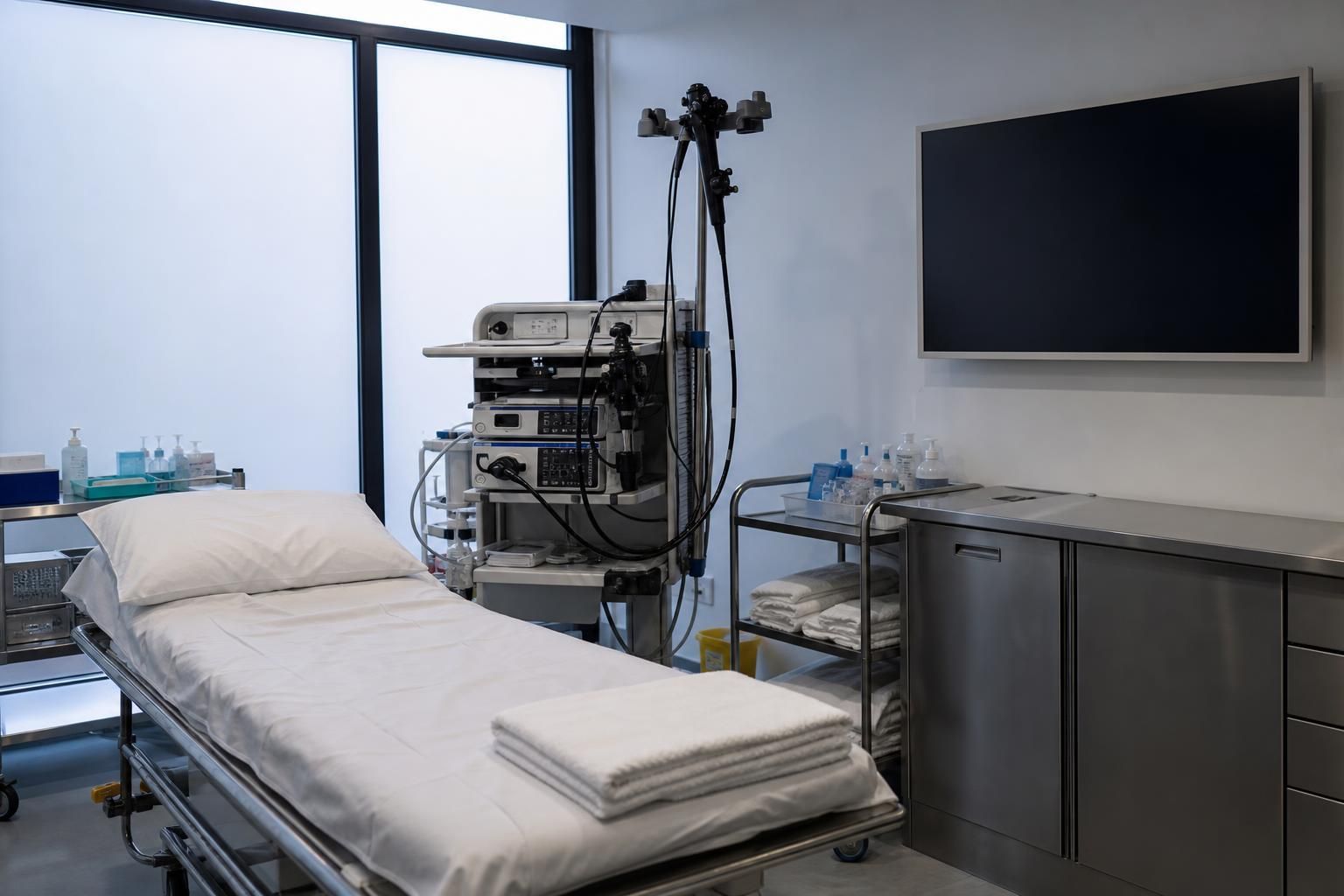
The procedure involves the use of a colonoscope—a small tube with a light and camera attached—which enters the body via the rectum and is advanced through to the colon.
The patient routinely receives sedation/anaesthesia to prevent discomfort during the procedure.
The colonoscope's camera projects images onto a viewing screen in the surgical area so your doctor can locate and identify any abnormalities or growths for removal. About 95% of cancerous and larger precancerous polyps can be detected with a colonoscopy.
After A Colonoscopy: What Happens Next?
Once the colonoscopy has concluded, your doctor will review the results with you. If a biopsy is needed, know that the results require more time.
Due to the sedatives/ anaesthesia used during the procedure, patients are required to be escorted home with a family member, friend or loved one. Even if you feel alert or insist upon taking public transportation (not personally operating a vehicle), your judgement may still be impaired from the anaesthesia, and you will not be permitted to leave the premises without an adult escort.
It's common to experience some cramping or bloating after a colonoscopy because gas enters the colon during the procedure. Passing gas should relieve the associated discomfort.
NOTE: Post-colonoscopy dietary and exercise restrictions will depend on the exam results, but you’ll likely be able to eat solid food straight away.
What To Expect: Endoscopy
When To Get An Upper Endoscopy
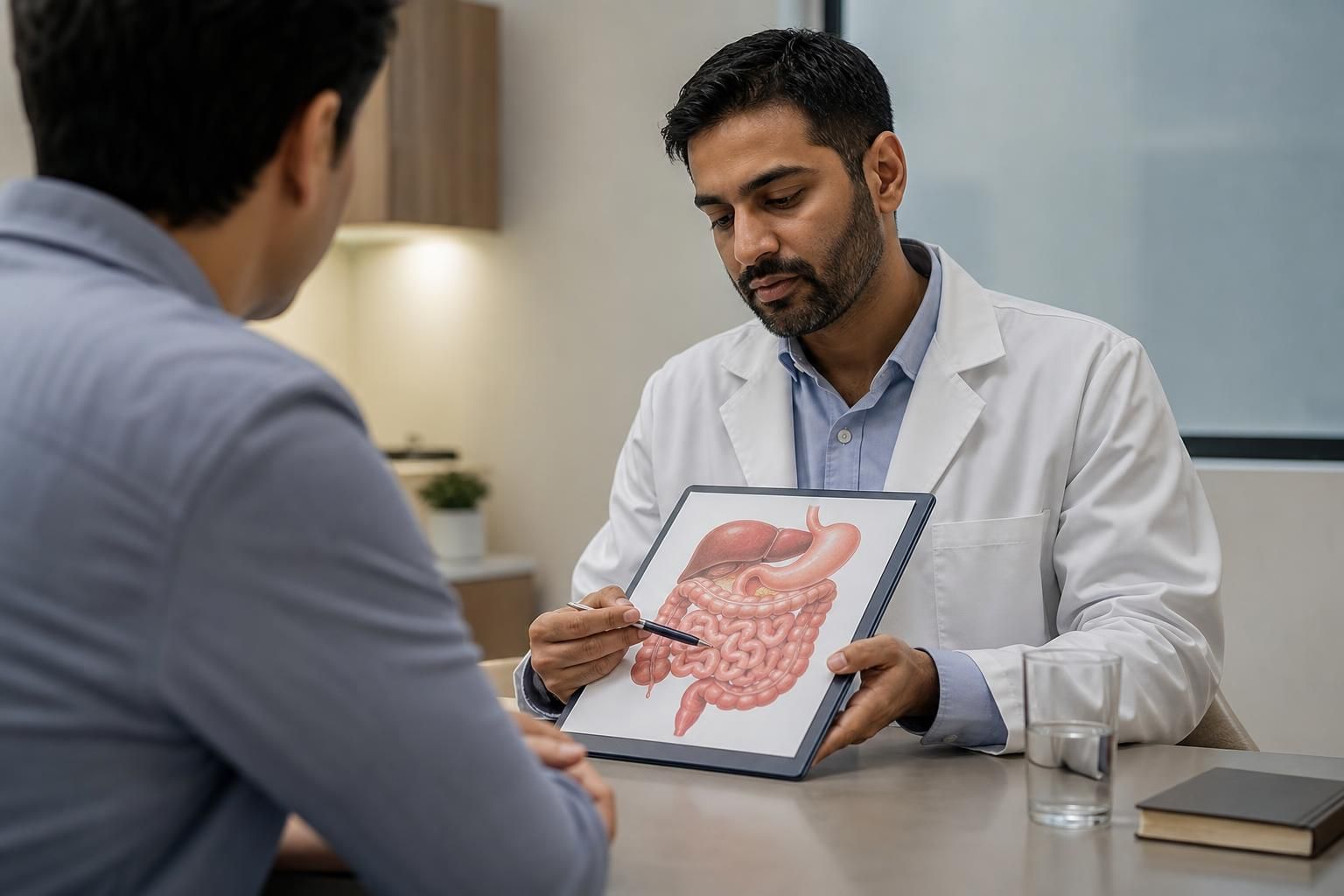
An upper endoscopy provides visibility into the upper portion of the digestive system. The range of coverage provided by an upper endoscopy includes:
- Beginning/ top portion of the Small Intestine (known as the Duodenum)
- Oesophagus
- Stomach
Your doctor may suggest an upper endoscopy to investigate symptoms such as nausea, vomiting, abdominal tenderness, difficulty swallowing, unexplained weight loss, bloating or gastrointestinal bleeding.
The results of an upper endoscopy often include the keys to diagnosing and treating whatever is causing a patient’s pain and discomfort.
Before Upper Endoscopy: How To Prepare
Preparation for an upper endoscopy (also known as an EGD, short for esophagogastroduodenoscopy) requires you to abstain from food and drink for eight hours. There is no bowel prep solution involved in upper endoscopy preparation.
The fasting period for an upper endoscopy may be shorter (four to eight hours) than for a colonoscopy (24 hours).
Diabetics, smokers, and those on certain medications may be given additional instructions for upper endoscopy preparation.
During Upper Endoscopy: The Procedure
Upper endoscopy patients are deeply sedated throughout, so there is no physical discomfort during the procedure.
A gastroscope is an optical instrument similar to the aforementioned colonoscope, comprised of a small tube with a light and camera attached for image projection on a screen in the operating room. The tube enters the body orally (via the mouth), and then is guided down through the oesophagus, into the stomach and to the duodenum.
Gastroscopes may be fixed with additional attachments to remedy certain afflictions, on the spot. For instance, your doctor may be able to stretch narrowed areas or even stop GI bleeding, as soon as the issue is identified.
During an upper endoscopy, tissue samples may be collected for a biopsy to test for diseases and conditions, such as anaemia or cancers affecting the digestive system.
After Upper Endoscopy: What Happens Next?
Regarding anaesthesia, the guidelines for post-procedure travel arrangements are the same as above, for a colonoscopy. You'll need a trusted escort, whether they are a family member, friend or loved one, to accompany you on your way home.
It is common to feel gassy and/or to have a sore throat/pain swallowing in the days following this procedure. If you are concerned about any symptoms after the upper endoscopy, inform your doctor and they will examine you.
How We Can Help
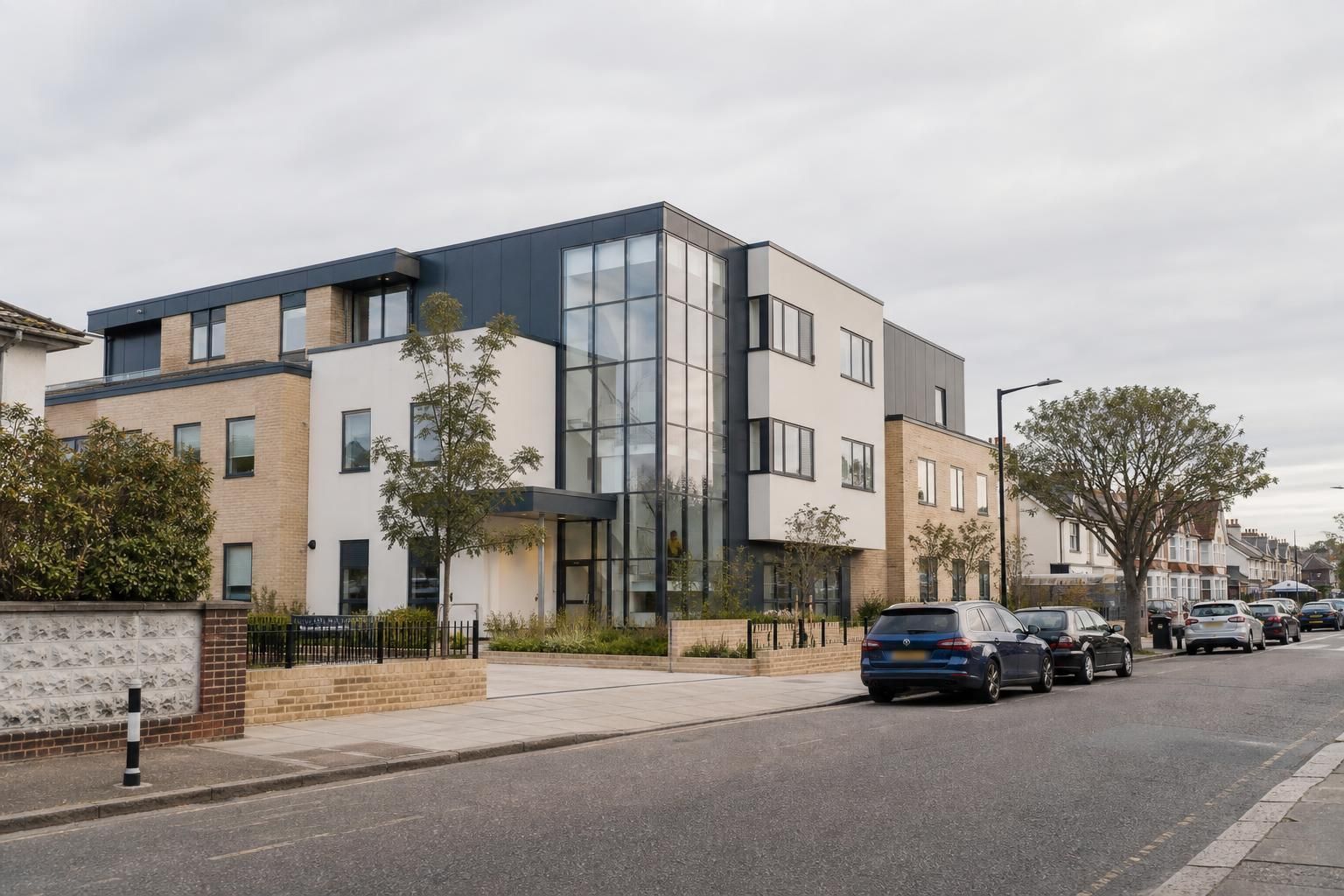
The Chartwell Hospital specialises in helping restore you and your family to optimal digestive health. We are conveniently located in London with a facility dedicated to providing high-quality endoscopic and colonoscopic services in a comfortable, welcoming environment. To book a FREE consultation please use our handy booking form to select a date and time that works for you.